
 EN
EN
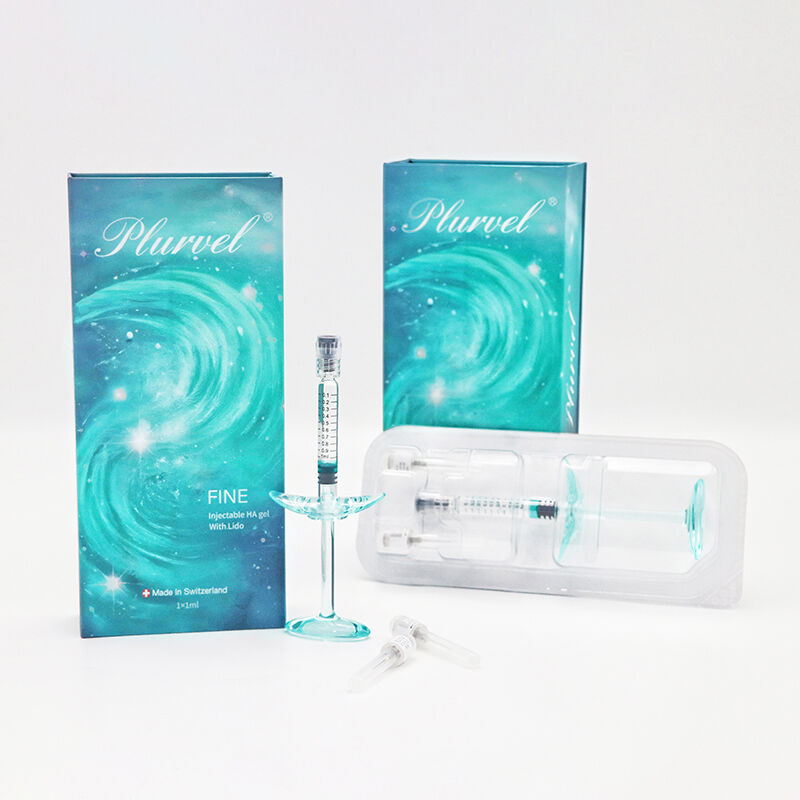
Why Private Label Dermal Fillers Enable Rapid Market Entry
Accelerated time-to-market: Launch in weeks—not years—versus in-house development
Private label dermal fillers skip the usual 2 to 3 year development process because they work with ready-made formulas that have already been tested clinically and approved by regulators. Companies don't need to spend time on research, run expensive trials, or deal with all the paperwork that comes with getting products approved from scratch. This means new products can hit the market within 8 to 12 weeks instead. The reason this works so fast? Manufacturers use existing FDA and CE marked formulas along with facilities that meet certification standards. When something trendy emerges in the market like bio stimulators or fillers that do two things at once, companies can respond almost immediately. Looking at the numbers makes it even clearer why private labeling has become so popular. Traditional development costs typically run around $1.2 million plus and takes about 34 months according to Medical Design & Outsourcing in 2023. With private labeling, businesses save roughly 60% on costs and get their products out there much quicker too.
Low-risk validation for startups and aesthetic brands testing demand or expanding portfolios
Both startups and existing clinics turn to private label OEM deals when they want to test the waters without putting too much money on the line. Minimum order quantities start around 500 units, which lets companies try out new products in specific regions, for certain customer groups, or even switch between different types of products like moving from hyaluronic acid to PLLA based fillers. The whole system cuts down on research costs and keeps inventory from sitting around unused, plus it works well with manufacturing approaches where production happens right when needed based on actual sales. Profit margins stay pretty solid between about 55% and 70%, giving businesses room to grow their product lines without breaking the bank.
Regulatory Compliance and Safety in Dermal Fillers OEM Partnerships
Essential certifications and quality systems (ISO 13485, MDR/21 CFR Part 820) for injectable dermal fillers OEM
The quality control for injectable dermal fillers simply cannot be compromised. Top OEM partners typically carry ISO 13485 certification, which is widely accepted globally as the gold standard for managing medical device quality. They also follow various local rules depending on where they operate, such as the EU's MDR regulations and FDA guidelines under 21 CFR Part 820. These regulatory frameworks put strict requirements in place regarding tracking materials, verifying sterilization processes, checking raw ingredients, and controlling endotoxin levels. All of this directly impacts how pure the hyaluronic acid remains and ultimately protects patients who receive these treatments. When companies fail to meet these standards, the repercussions can be devastating. Products might get pulled off shelves, companies could face massive fines from the FDA sometimes reaching half a million dollars according to recent reports, and their reputation takes permanent hits. The best manufacturers actually build these quality standards right into each production run, treating them not just as mandatory paperwork but as essential parts of daily operations that matter deeply to consumer trust.
How pre-validated processes and regulatory documentation de-risk private label launches
OEMs with experience can really speed up getting products to market because they offer workflows that have been tested beforehand plus all the necessary regulatory paperwork ready to go right away. We're talking about stuff like Design History Files (DHF), technical dossiers, reports on biocompatibility, and those clinical evaluation summaries that meet MDR requirements. What this does is cut down on the usual 12 to 18 month wait for clinical testing when dealing with new formulas. Companies end up inheriting safety records and manufacturing processes that have already gone through extensive checks by international health regulators. A real world example shows how one partnership shaved off 80% of the time needed to bring a product to market simply by using approved filler options and having MDR documents prepared for submission. When companies hand over the regulatory work to established partners, they still keep control over how their products get launched commercially while making sure everything stays safe, consistent, and compliant right from the start.
Commercial Advantages of the Private Label Dermal Fillers OEM Model
For aesthetic brands looking to get into the dermal filler market, the private label OEM approach has completely changed the game. Instead of needing to invest millions upfront, companies can now scale their investments as they grow, which cuts those initial setup costs by around two thirds compared to building their own facilities. Getting products to market takes way less time too — what used to take years now happens in just a few weeks. This shift turns those big fixed expenses into something that moves with business needs. Minimum order quantities typically start between 100 and 500 units, allowing brands to test different markets, sales channels, or even formula variations without risking huge stockpiles. What really makes this model work is access to factories certified under ISO 13485 standards along with ready-made regulatory documents. These resources cut down on the headaches of compliance by about four fifths according to industry data from last year. The bottom line? Brands reach profitability much faster than before — sometimes three to five times quicker — while still maintaining full control over how they brand their products, set prices, and manage distribution networks.
Frequently Asked Questions
What are private label dermal fillers?
Private label dermal fillers are ready-made formulas that can be branded and sold by companies without going through the lengthy process of product development and regulatory approval from scratch.
What is the main advantage of using private label dermal fillers?
The primary advantage is the rapid time-to-market, allowing companies to launch new products within weeks, saving time and development costs.
What certifications are important for OEM partnerships in dermal fillers?
Certifications such as ISO 13485 and compliance with MDR/21 CFR Part 820 are crucial for ensuring the quality and safety of dermal fillers.
How do OEM partnerships enhance regulatory compliance?
Experienced OEM partners provide pre-validated processes and regulatory documentation, which significantly reduce the time and risk involved in product launches.
How does the private label OEM model benefit aesthetic brands financially?
The model decreases initial setup costs, allows scalable investments, and helps brands achieve profitability faster while maintaining control over product branding and distribution.
Table of Contents
- Why Private Label Dermal Fillers Enable Rapid Market Entry
- Regulatory Compliance and Safety in Dermal Fillers OEM Partnerships
- Commercial Advantages of the Private Label Dermal Fillers OEM Model
-
Frequently Asked Questions
- What are private label dermal fillers?
- What is the main advantage of using private label dermal fillers?
- What certifications are important for OEM partnerships in dermal fillers?
- How do OEM partnerships enhance regulatory compliance?
- How does the private label OEM model benefit aesthetic brands financially?