
 EN
EN
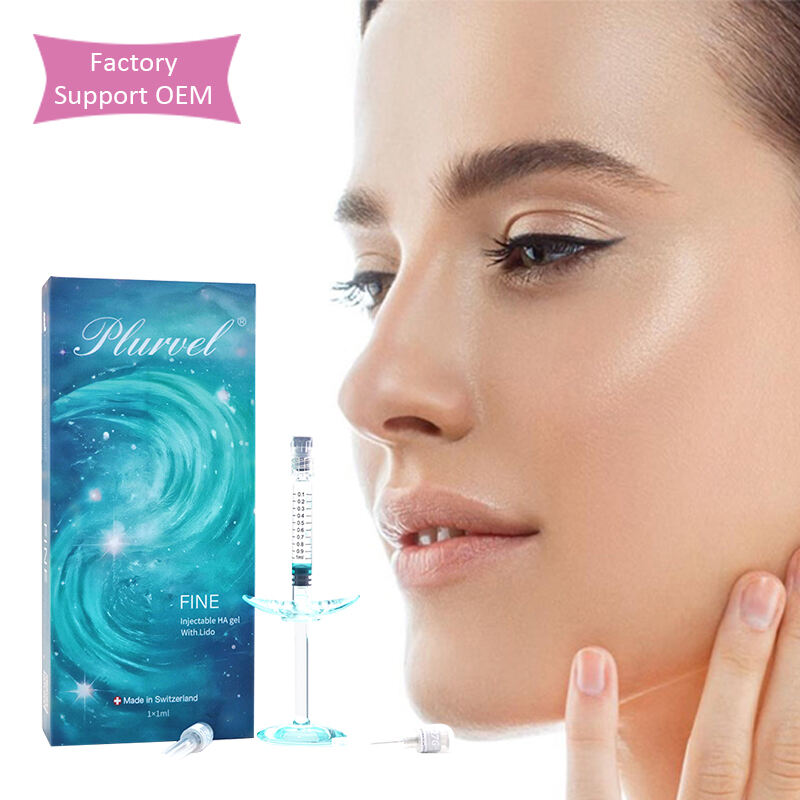
Why Injectable HA Gel with Lido Is the Gold Standard for Comfort-First Facial Contouring
Rising Clinical Demand for Zero-Discomfort Aesthetic Procedures
More and more patients are moving towards treatments that don't involve much cutting or poking around but still work really well and feel comfortable during the process. Looking at recent research, about three out of four people say they care a lot about reducing pain when picking dermal fillers, which explains why there's such a big market for products already mixed with numbing agents. The numbers back this up too, with comfort being a major selling point these days. Since 2021 we've seen nearly half more people coming in for beauty treatments specifically because they want something that won't hurt so much. That's why newer versions of hyaluronic acid now come with lidocaine built right in. These combined formulas mean doctors don't have to do extra injections to numb areas first, making the whole experience less stressful for everyone involved. Most folks who get treated this way end up feeling pretty happy with how things went, especially since their skin looks great afterwards without all the hassle.
Pharmacological Advantage: How Lidocaine Modulates Nociception Without Compromising HA Biofunctionality
Lidocaine enhanced fillers work because they block sodium channels at the injection site, which stops pain signals from getting through for a short time. Studies have shown that when manufacturers include 0.3% lidocaine in their high quality hyaluronic acid (HA) gels, it doesn't mess with how the HA molecules are linked together, nor does it change how the gel behaves or how long it lasts. A big clinical trial in 2023 across multiple centers found that after two years, both regular HA fillers and those with added lidocaine lasted about the same amount of time fixing wrinkles, around 12 to 15 months on average. Since our bodies process lidocaine quickly and clear it out completely, while the HA continues to provide volume support over time, these products actually work well together for reshaping facial contours.
Optimizing Facial Contouring Outcomes with Injectable HA Gel with Lido
Strategic Injection Protocol: Depth, Volume, and Layer-Specific Delivery for Natural Definition
Getting the injection technique right makes all the difference when it comes to facial contouring with hyaluronic acid gels that contain lidocaine. Good results depend on matching the needle depth to what's happening under the skin. Put the product deeper for structure and support, but go shallow with tiny droplets to smooth out those fine lines. How we distribute volume matters too. The thicker gels work best down below where they can actually lift things up, while thinner ones blend better on top layers. Most practitioners stick to layering their injections rather than going in one shot. This helps avoid looking overdone while still getting nice definition. From what many doctors have seen in practice, sticking closely to these techniques means patients need about 30 percent fewer follow-up appointments than with more standard approaches. Of course there are always exceptions depending on individual anatomy and expectations.
Evidence Snapshot: 78% VAS Pain Reduction in 2023 Multicenter Trial Using Pre-Mixed HA Gel with Lido
In a 2023 study across multiple centers, researchers found that pain levels dropped by about 78% when using this treatment compared to regular hyaluronic acid injections without lidocaine (p<0.001). Most patients said they felt only minimal discomfort, around 92%, and procedures took roughly 19% less time too. What makes this so valuable is that doctors can still get their injections just right without messing up where the gel goes. This matters a lot in areas where subtle changes matter most, think about those lines running from nose to mouth or around the lips themselves.
Addressing Safety, Efficacy, and Longevity Concerns of Injectable HA Gel with Lido
Debunking the Myth: Lidocaine Does Not Impair HA Crosslinking or Duration of Effect
Many people still believe that lidocaine somehow messes with how hyaluronic acid (HA) works in those facial contouring gels, making them less effective over time. But actually, when we look at what happens in real world testing and lab studies, the results tell a different story. Lidocaine doesn't change the way these gels behave - they have pretty much the same elasticity and stick together just like the ones without lidocaine added. What happens is that this numbing agent attaches itself temporarily to certain spots on nerve cells called sodium channels, but it doesn't touch the actual chemical structure of the HA or speed up how fast our bodies break it down. Looking at skin samples under microscopes also shows similar patterns of new collagen formation and how well the product integrates into surrounding tissues. So for anyone considering injectables, there's no need to worry about losing out on results just because lidocaine was included. Patients get pain relief during treatment while still enjoying all the benefits of long lasting definition and safety that come with standard HA fillers.
FAQ
What is HA Gel with Lido?
HA Gel with Lido refers to hyaluronic acid fillers that have lidocaine mixed in to reduce pain during facial contouring procedures.
Why is lidocaine included in HA Gel?
Lidocaine is a numbing agent used in HA Gel to block pain signals during injections, making the procedure more comfortable without affecting the efficacy of the filler.
Does lidocaine affect the longevity of HA fillers?
No, studies show that lidocaine does not interfere with the crosslinking or duration of effect of HA fillers.
How does HA Gel with Lido improve patient experience?
Patients experience significantly less discomfort, with trial data indicating a 78% reduction in pain levels and quicker process times compared to non-lidocaine formulas.