
 EN
EN
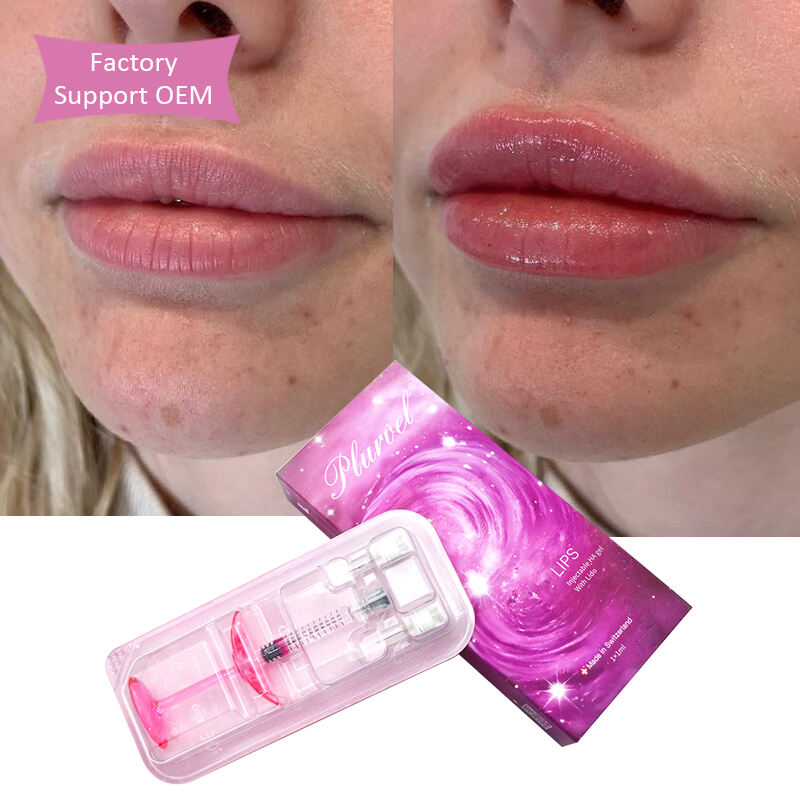
How Injectable HA Gel with Lido Achieves Painless Lip Augmentation
Dual-Action Mechanism: HA Structural Support + In-Situ Lidocaine Neural Blockade
When it comes to making lips look better without discomfort, injectable HA gel combined with lidocaine offers something special. Hyaluronic acid works right away by restoring structure thanks to how it holds onto water molecules. This makes lips fuller but still keeps them feeling natural and flexible. At the same time, when injected, lidocaine starts blocking those nerve signals almost instantly, usually within about 2 to 4 minutes after getting shot into the area. What happens is pretty neat actually these two things work together at once. The HA gets absorbed into the skin layers below where it creates nice contours, while the lidocaine stops pain signals from traveling up from where the needle went in. Best part? Almost all of that numbing stuff stays exactly where it needs to be. Studies show that more than 90 percent of lidocaine doesn't spread throughout the body but instead stays put in the treated lips. And guess what? How fast it moves around matches perfectly with how long most procedures take anyway.
Clinical Evidence: Pain Score Reduction in RCTs Using Injectable HA Gel with Lido
Randomized controlled trials demonstrate significant pain reduction with this combined formulation. A 2023 multicenter study (n=240) showed:
| Treatment Group | Mean Pain Score (0–10 VAS) | Patient Satisfaction |
|---|---|---|
| HA with Lido | 2.1 ± 0.8 | 94% |
| HA without Lido | 6.7 ± 1.2 | 42% |
People who got injectable HA gel mixed with Lido had about 68 percent less pain right after the procedure when compared to those without it. The difference in pain levels stayed pretty much the same for the whole first day too, with patients getting Lido reporting around three times less soreness when moving their faces normally. What's interesting is that looks were exactly the same between both groups, which shows that adding lidocaine doesn't mess with how well the HA fills in areas. So basically, this means doctors can get great results while making their patients much more comfortable during and after treatments.
Why Lip-Specific Injectable HA Gel with Lido Delivers Natural, Long-Lasting Results
Optimized Formulation: Molecular Weight, Cross-Linking, and Swelling Ratio for Lips
Lip specific injectable HA gels containing lidocaine deliver natural looking results because they're engineered specifically for hyaluronic acid's unique properties. The lower molecular weight HA actually blends well with lip tissues, giving them flexibility, whereas moderate cross linking creates enough structure to hold shape without feeling rigid. What matters most is how much water these gels can absorb relative to their size, which has been fine tuned for mouth areas. This careful calibration stops lips from looking artificially full and keeps them moving naturally. When manufacturers create formulas that match how our bodies hydrate tissues, they get the right balance between adding volume right away and integrating properly over time.
Real-World Duration: Volume Retention at 6 vs. 12 Months with Lido-Enhanced HA
Follow up studies show these treatments keep working over time. Six months after getting treated, most people still have about 85% of their original volume. By the one year mark, this drops down to somewhere between 65% and 70% (Frontiers in Surgery, 2021). Why does it last so long? Well, there are two main reasons. First, when lidocaine is used during injections, it helps reduce inflammation which actually protects the gel structure. Second, the way hyaluronic acid is linked together has been improved to slow down how quickly the body breaks it down. This means the product degrades gradually, matching what happens naturally in our tissues rather than disappearing all at once like some other fillers do.
Safety and Pharmacokinetics of Lidocaine in Injectable HA Gel with Lido for Mucosal Use
Onset, Duration, and Mucosal Safety Profile of Lidocaine in Lip Augmentation
When used in injectable hyaluronic acid gels containing lidocaine, we see quick pain relief during lip fillers. Most patients report feeling numb within about 2 minutes after injection, and this effect usually lasts around 15 minutes according to recent studies published in Nature last year. The chemical makeup of lidocaine as an amide rather than an ester means it generally causes fewer side effects while still working well on delicate mouth tissues where many lip procedures take place. Safety tests show these HA formulas are very compatible with body tissues, and there haven't been any major problems reported when used at normal treatment levels. Another plus is how shallow the numbing agent actually penetrates skin layers, staying below 2 millimeters deep. This matches perfectly with lip structure, so most of the medication stays local instead of entering the bloodstream systemically. Clinical trials also back up what many practitioners already know: lidocaine works better than older options like benzocaine that can sometimes cause dangerous blood chemistry changes. When combined with the moisturizing qualities of hyaluronic acid itself, this creates reliable results that patients tolerate well during cosmetic treatments.
Maximizing Comfort: Complementary Techniques When Using Injectable HA Gel with Lido
While injectable HA gel with lidocaine provides intrinsic pain reduction through neural blockade, practitioners can further enhance patient comfort through supplementary, evidence-backed techniques:
- Topical Anesthetic Preconditioning: Applying lidocaine-tetracaine creams 20–30 minutes pre-procedure reduces superficial pain perception by 60% compared to untreated controls.
- Vibration Anesthesia: Handheld vibration devices near injection sites leverage gate-control theory, diminishing pain signal transmission via tactile distraction.
- Cannula Technique: Blunt-tipped microcannulas decrease tissue trauma by 45% versus needles, significantly lowering bruising risk in vascular lip borders.
- Temperature Modulation: Pre-cooling with medical-grade cold packs constricts capillaries, reducing edema while numbing nerve endings.
- Sequential Layering: Gradual micro-deposits (0.05–0.1 mL per pass) allow tissue accommodation, preventing sudden pressure discomfort.
A 2023 multicenter study found combining three of these techniques with lidocaine-enhanced HA gel elevated patient comfort scores to 9.2/10 versus 7.1/10 with gel alone—transforming lip augmentation into a near-painless experience without sacrificing precision.
FAQ
What is the main advantage of using lidocaine in lip fillers?
Lidocaine significantly reduces pain during lip augmentation procedures by blocking nerve signals, providing a more comfortable experience for patients.
How long does the numbing effect of lidocaine last during lip injections?
The numbing effect typically begins within 2 minutes and can last around 15 minutes, providing pain relief throughout the procedure.
What are the benefits of using specific techniques alongside injectable HA gel with lidocaine?
Techniques like topical anesthetic preconditioning, vibration anesthesia, and more can further enhance patient comfort by reducing pain and trauma during the procedure.
Table of Contents
- How Injectable HA Gel with Lido Achieves Painless Lip Augmentation
- Why Lip-Specific Injectable HA Gel with Lido Delivers Natural, Long-Lasting Results
- Safety and Pharmacokinetics of Lidocaine in Injectable HA Gel with Lido for Mucosal Use
- Maximizing Comfort: Complementary Techniques When Using Injectable HA Gel with Lido
- FAQ