
 EN
EN
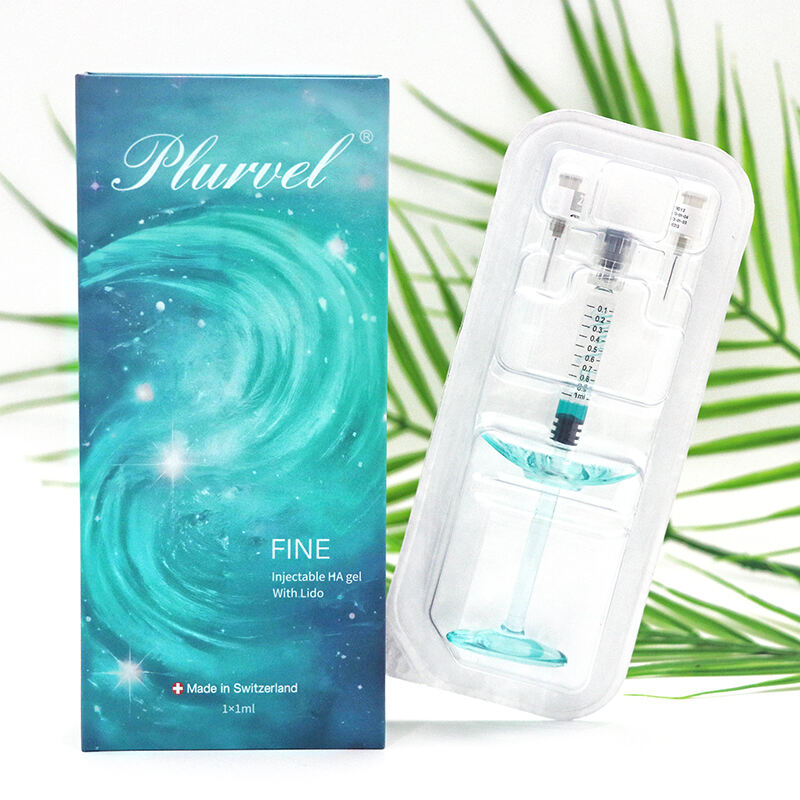
Why High-G' Hyaluronic Acid Fillers Are Critical for Structural Facial Contouring
Biomechanical Requirements of the Nasal Dorsum and Chin: Why Elasticity (G') Matters More Than Viscosity
The nose bridge and chin area experience constant stress from gravity pulling down, muscles working repeatedly, and all those facial expressions people make throughout the day. When looking at what keeps these regions stable, it turns out viscosity matters less than elastic recoil, which basically means how well something bounces back after being squished. We measure this property using something called the elastic modulus, or G prime for short. Fillers with higher G prime values, usually above 400 pascals, tend to hold their shape better when someone moves their jaw or breathes through their nose. On the flip side, lower G prime products get squashed much easier. A recent study published in the Aesthetic Surgery Journal showed these softer gels actually shifted about 40 percent more during tests simulating normal nose movements. This kind of displacement can lead to problems like uneven results, loss of height, or even filler moving sideways where it shouldn't be.
Clinical Evidence Linking High G' to Longevity and Stability in Nasal and Chin Augmentation
The long-term clinical evidence keeps showing that high-G' fillers work really well for lasting structural fixes. One study followed patients over 24 months and found these gels retained about 85% volume in nasal bridge work, which is almost twice what we see with mid-G' options at just 52% (Journal of Cosmetic Dermatology, 2023). When it comes to chin augmentations, high-G' products have maintained over 90% accuracy in projection after 18 months because they integrate so well with those fibrous structures and connect properly to the periosteum. Another big plus? These materials cut down on the need for touch-ups by around 30%. Why? They tend to settle predictably in the body and don't cause much swelling right after treatment. What's particularly important for practitioners is how these fillers' special consistency actually reduces the chance of blood vessel compression in sensitive areas like the nasal tip by about 60% compared to thicker, stickier gels. This makes them much safer choice for tricky contour corrections while still providing solid structural support.
Selecting the Right Hyaluronic Acid Filler for Nose vs. Chin: Matching Rheology to Anatomy
Nasal Contouring: Prioritizing Cohesivity and Lift Capacity
For nasal dorsum augmentation, the right filler needs to have good elasticity (ideally G' above 500 Pa) along with strong cohesiveness so it can provide vertical lift without spreading sideways through the delicate, tension sensitive skin area. These cohesive, higher G' gels tend to hold their shape better when placed in the supraperiosteal layer, which is really important because otherwise they might migrate into nearby areas such as the glabella region or nasolabial folds. Studies actually indicate these types of products cut down on swelling after injections by around 32 percent compared to those with lower cohesiveness. Experts think this happens because there's less disturbance to tissues and better interaction with the bones underneath. Getting the injection spot just right in this deeper layer helps keep the nasal valves open and maintains proper breathing function something many practitioners forget about when doing more surface level work instead.
Chin Contouring: Balancing Projection, Definition, and Soft-Tissue Integration
Getting the right feel for chin augmentation depends on picking materials with just the right consistency. If something is too stiff, it feels unnatural when moving around the face. On the flip side, if there's not enough support, things tend to droop or look undefined over time. Most successful results come from substances that have medium stiffness levels around 300 to 400 Pascals and can stretch and adapt naturally. These properties let them work well with the muscles under the jaw and the connective tissue network when someone smiles or talks. Compared to hard implants or super stiff fillers, these newer gel options actually cut down on those visible lines or bumps by about 40% when the face moves. Doctors typically inject deep beneath the bone using a fine needle to spread the product evenly along the jaw edge. The material's softer nature helps it blend smoothly with existing facial structures rather than creating harsh transitions. From what we see in clinics, roughly nine out of ten people end up happy with how their jaw looks after treatment, without feeling anything strange or noticing awkward jumps in texture where the implant meets natural tissue.
Evidence-Based Injection Strategies for Optimal Hyaluronic Acid Filler Performance
Linear Threading vs. Serial Puncture: Technique Selection Guided by Filler G', Target Layer, and Anatomic Zone
The way we inject fillers needs to match both the material properties and facial anatomy rather than using one size fits all approaches. For those high G' fillers above 400 Pa meant for structural support areas such as the nose bridge, doctors find linear threading works wonders when placed just beneath the periosteum layer. What happens is these injections create something similar to beams supporting buildings, following our natural bone structure and standing up better against movement forces. When working with softer tissues though, like around the mouth corners or under the chin where things move more, most practitioners switch to serial puncture technique instead. This involves making small deposits throughout the area which helps keep everything in place longer. Research published last year showed that when dermatologists paired those strong fillers with proper threading methods on nasal structures, patients needed fewer touch-ups over time. The difference was actually quite significant at about 32% reduction compared to older bulk injection methods.
Avoiding Complications: Depth Control, Aspiration, and Real-Time Tissue Feedback in High-Risk Areas
Getting good results really depends on how carefully we control depth and respond to what happens during the procedure, not just which products are used. When working around areas with lots of blood vessels like the sides of the nose, taking time to aspirate for about 5 to 10 seconds before injecting can cut down the chance of hitting an artery by almost four fifths. Putting filler too shallow (less than 2mm) at the tip of the nose actually raises risks of tissue death and poor healing. But injecting deeper into the chin area gives nice projection while keeping the skin above healthy and well supplied with blood. Doctors need to watch closely for warning signs during the process. If they see the skin turn white, feel sudden sharp pain, or meet unexpected resistance, these are all signals to stop immediately and be ready with hyaluronidase if needed. Studies indicate that when medical professionals tweak their approach based on what they experience during the actual treatment instead of sticking rigidly to standard guidelines, problems decrease by nearly two thirds.
FAQ Section
What is the importance of high-G' fillers in facial contouring?
High-G' fillers are crucial for facial contouring because their elasticity helps maintain shape and structure in areas like the nose bridge and chin, where constant stress occurs due to gravity and facial movements.
Why does G' matter more than viscosity in fillers?
G' represents the filler’s ability to bounce back after being compressed, which is vital for withstanding movements. Viscosity, on the other hand, is less important in maintaining structural form in high-stress areas.
How do high-G' fillers impact longevity and stability in facial augmentations?
High-G' fillers have been clinically shown to retain volume better and reduce the need for touch-ups, providing long-lasting results, especially in nasal bridge and chin augmentation.
What should practitioners consider when selecting fillers for nose and chin contouring?
Practitioners should match the rheological properties of fillers to the specific anatomical requirements, prioritizing higher G' and cohesivity for nasal contouring and appropriate stiffness and integration for chin augmentation.
What are the recommended injection strategies for optimal filler performance?
Injection strategies should align with filler properties and anatomical zones, utilizing linear threading for high-G' fillers in structural areas and serial puncture techniques in softer tissue regions, ensuring optimal integration and reducing complications.
Table of Contents
- Why High-G' Hyaluronic Acid Fillers Are Critical for Structural Facial Contouring
- Selecting the Right Hyaluronic Acid Filler for Nose vs. Chin: Matching Rheology to Anatomy
- Evidence-Based Injection Strategies for Optimal Hyaluronic Acid Filler Performance
-
FAQ Section
- What is the importance of high-G' fillers in facial contouring?
- Why does G' matter more than viscosity in fillers?
- How do high-G' fillers impact longevity and stability in facial augmentations?
- What should practitioners consider when selecting fillers for nose and chin contouring?
- What are the recommended injection strategies for optimal filler performance?