
 EN
EN
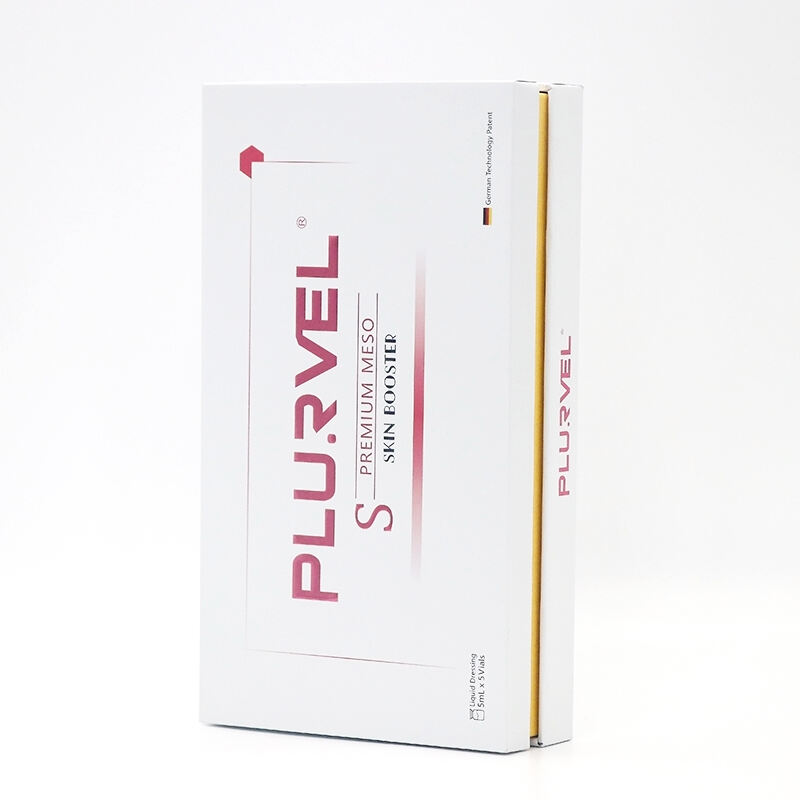
Understanding the Hyaluronic Acid Market and the Case for Integrated Procurement
Rising Demand and Price Volatility in the Hyaluronic Acid Market
The hyaluronic acid market has seen some pretty impressive growth numbers lately. We're talking about jumping from around $7.15 billion back in 2023 to nearly $7.63 billion just last year, and analysts expect it to hit roughly $11.15 billion by the end of this decade. That's a compound annual growth rate of about 6.54%, which isn't bad at all. What's really pushing this market forward? People want their skin to look younger, and doctors are increasingly turning to less invasive procedures that use HA products. But there's a catch. The supply chain situation remains pretty fragmented, leading to wild price swings in the market. Take HA powder prices for instance they've been bouncing up and down by as much as plus or minus 18% every quarter since 2020 because of issues getting raw materials and problems with shipping logistics across different regions.
How Vertical Integration Mitigates Supply Chain Risks and Cost Fluctuations
When companies bring together their raw material sourcing, manufacturing operations, and research activities all within the same organization, they significantly cut down on how much they need outside suppliers. The numbers tell quite a story too these businesses typically save somewhere between 23 to 35 percent on those extra fees charged by middlemen while also getting products made twice as fast. A recent look at the industry from last year showed something interesting vertically integrated health appliance makers actually kept their input costs about 12% below what others paid when there were shortages in raw materials. This makes sense because having control over multiple parts of the supply chain just gives them more flexibility when things get tight.
Real-World Impact: HA Supply Chain Disruptions and Cost Trends (2020–2023)
When the pandemic hit, it exposed just how fragile HA supply chains really were. A good chunk of manufacturers - about two thirds according to industry reports - dealt with serious shipment delays back in 2021. Companies that relied on all those different suppliers ended up paying around 27 percent more for production during those tough months. The picture looked quite different for businesses that had everything under one roof though. These vertically integrated operations maintained better control because they managed their own fermentation processes from start to finish. As a result, they actually saved money even while markets remained chaotic, clocking in at roughly 5.4% lower costs year over year compared to their fragmented counterparts.
End-to-End Integration: Combining Raw Material Sourcing with OEM Manufacturing
Challenges of Fragmented Supply Chains in Hyaluronic Acid Production
When suppliers, manufacturers, and distributors don't work together properly, it creates all sorts of problems throughout the HA value chain. According to research published by Bioprocess International last year, companies with disconnected operations face lead times that are about 35% longer and generate around 18% more wasted materials than those with better integration. The quality issues really pile up too. When different players pass fermentation substrates back and forth, we see inconsistent results. A study in the PharmaTech Journal back in 2022 showed nearly a quarter of batches needed reworking because purity standards just didn't match up between stages. These kinds of mismatches cost time and money while slowing down production.
Direct Sourcing and OEM Collaboration: A Unified HA Supply Model
Leading manufacturers in the industry are increasingly sourcing their main fermentation ingredients directly these days, including specific streptococcus strains, while also forming partnerships with certified OEM facilities. This combined strategy cuts down on unnecessary middlemen and ensures consistent quality standards throughout production. The result? Procurement times have dropped significantly, going from around 14 weeks down to just 9 weeks based on recent benchmarks. A study published in the Cosmetic Science Review for 2024 highlights this trend among forward thinking companies looking to streamline their operations.
Case Study: Reducing Lead Times by 40% Through Integrated Operations
A collaborative deployment involving three HA suppliers and one OEM demonstrated significant gains through vertical integration:
| Metric | Pre-Integration (2021) | Post-Integration (2023) |
|---|---|---|
| Lead Time | 22 weeks | 13 weeks (-40%) |
| Defect Rate | 12% | 4% |
| Cost Per kg (Grade A) | $2,450 | $1,720 (-30%) |
These improvements were achieved through shared inventory tracking and synchronized production planning across all stakeholders.
Technology Enablement: ERP and CMS Systems Streamlining Procurement and Production
Enterprise Resource Planning (ERP) platforms reduce manual purchase order processing by 65% in HA procurement by automating material planning against real-time OEM capacity data. When paired with CMS-driven batch monitoring, these integrated systems lower production costs by $180/kg—a 19% reduction compared to legacy methods—according to the 2023 Biomanufacturing Efficiency Report.
Driving 30% Cost Savings Through Procurement and Process Optimization
Inefficiencies in Traditional Hyaluronic Acid Procurement Models
According to a recent Deloitte study from 2023, decentralized procurement systems tend to create all sorts of redundancies that actually drive up costs anywhere from 15 to 25 percent. Manufacturers are seeing this problem firsthand too. More than 60 percent say they've dealt with duplicate orders and way too much inventory sitting around because nobody seems to communicate properly between those who buy raw materials and their OEM partners. And these disconnected departments make companies even more vulnerable when prices jump around. Take fermentation-based hyaluronic acid for example. The cost of raw materials for this stuff swung wildly, changing by as much as 34 percent just between 2020 and 2022 alone.
Streamlining Procurement: Waste Reduction and Operational Efficiency
Integrated producers eliminate 8–12 redundant process steps through key optimizations:
- Automated inventory reconciliation reducing overstock by 22%
- Centralized supplier portals cutting negotiation cycles from 14 to 4 days
- Real-time cost modeling aligning production with HA spot pricing
One manufacturer reduced packaging waste expenses by $740,000 annually through coordinated procurement and production planning.
Proven Results: Case Study of 30% Cost Reduction via Full-Chain Control
A leading skincare company achieved 32% procurement savings within 18 months by vertically integrating its HA production:
| Metric | Before Integration | After Integration |
|---|---|---|
| Raw Material Waste | 19% | 7% |
| Emergency Order Premiums | $2.1M/year | $380k/year |
| Supplier Lead Times | 28 days | 16 days |
This shift freed up $4.2 million annually for reinvestment in R&D focused on high-margin HA derivatives.
Leveraging Automation and Data Analytics in Strategic HA Procurement
The latest ERP systems can predict HA demand pretty accurately these days, around 93% give or take, which allows companies to buy what they need right when they need it. This has actually cut down on working capital requirements quite a bit for one manufacturer producing about 10,000 tons annually, saving them roughly $12 million dollars overall. When it comes to picking suppliers, machine learning does most of the heavy lifting nowadays. These smart systems look at all sorts of factors - we're talking about 58 different ones including things like environmental impact scores and how stable political situations are in certain regions. Last year alone, this approach probably stopped somewhere around $3.8 million worth of problems related to supply chain interruptions before they even happened.
R&D-Driven Innovation to Reduce Dependency and Lower Production Costs
Reducing Reliance on Premium Raw Materials Through In-House R&D
Manufacturers at the forefront of their industries have started putting money into their own research departments lately, mainly because they want to stop relying so much on pricey ingredients such as Streptococcus zooepidemicus extracts that can cost around $14,000 per kilogram. A recent report from Biomaterials Innovation in 2023 shows something interesting though. Companies that maintain their own fermentation facilities managed to slash material expenses by roughly 18 to 22 percent. They achieved this by creating their own specialized bacteria strains, finding ways to reuse what would otherwise be waste products, and implementing these fancy algorithm systems that predict how much product they'll actually get out of each batch. These approaches aren't just saving money either, they're changing how businesses think about resource management altogether.
Developing Proprietary Hyaluronic Acid Formulations Internally
By merging formulation science with manufacturing engineering, innovators achieve precise molecular weight control (50–3,400 kDa) without relying on premium external suppliers. One medical-grade HA producer reduced viscosity testing iterations by 70% using AI-driven simulation tools, accelerating the launch of six new dermal filler formulations in 2022.
Breakthrough Example: Patent-Protected Fermentation Cuts HA Costs by 25%
A recent advancement published in PharmaTech Journal in 2023 showcased modified fed-batch fermentation using CRISPR-engineered Bacillus subtilis strains:
| Parameter | Traditional Method | Novel Approach | Improvement |
|---|---|---|---|
| Yield (g/L) | 6.8 | 9.1 | +34% |
| Purity (%) | 98.2 | 99.4 | -35% QA costs |
| Cycle Time | 144h | 112h | -22% |
This patented process reduced total production costs by $28/kg while meeting European Pharmacopoeia (EP 10.0) standards, strengthening competitiveness in the $4.3 billion global cosmetic HA segment.
FAQ Section
What is the current growth rate of the hyaluronic acid market?
The current growth rate is about 6.54% compound annual growth.
How does vertical integration benefit HA manufacturers?
Vertical integration allows manufacturers to reduce dependence on external suppliers, cut costs, and improve production speed and flexibility.
What are the main challenges of fragmented supply chains?
Fragmented supply chains lead to longer lead times, wasted materials, and inconsistent product quality.
How can technology help streamline procurement in HA manufacturing?
Technologies like ERP and CMS systems reduce manual processes and streamline procurement, reducing costs and improving efficiency.
Table of Contents
- Understanding the Hyaluronic Acid Market and the Case for Integrated Procurement
- End-to-End Integration: Combining Raw Material Sourcing with OEM Manufacturing
- Driving 30% Cost Savings Through Procurement and Process Optimization
- R&D-Driven Innovation to Reduce Dependency and Lower Production Costs
- FAQ Section