
 EN
EN
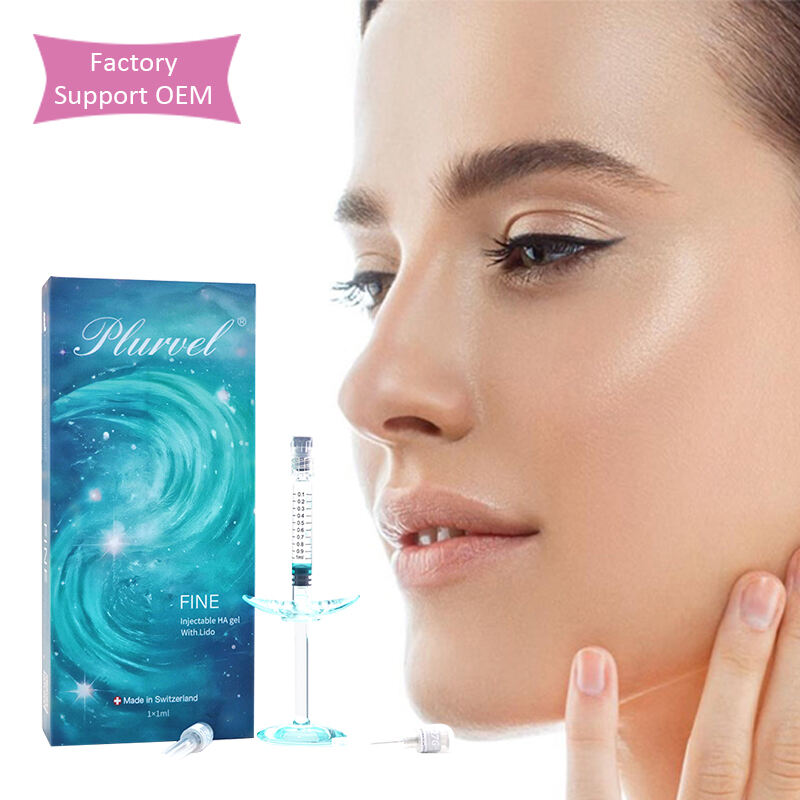
The Science Behind 5-Minute Onset in Lidocaine-Infused HA Gel
Mechanism of Action: How Lidocaine Blocks Pain Signals
When applied to the skin, lidocaine works pretty quickly to stop pain signals from getting through. It does this by attaching itself to those special sodium channels in our nerves, basically putting the brakes on electrical activity within about half a minute after touching the skin. Most people find that when lidocaine is mixed into gels containing hyaluronic acid at around 1% to 2%, they start feeling numb all over the treated area within five minutes flat. Research looking at how electricity moves through cells has found something interesting too. The HA gel actually creates a nice stable environment for lidocaine since it maintains a pH level between 6.5 and 7.2. This not only keeps the medicine stable but also helps it get absorbed better into the skin cells, which means faster numbing effects that last consistently across different applications.
HA as an Effective Carrier for Rapid Lidocaine Diffusion
The hygroscopic nature of hyaluronic acid really speeds up how lidocaine moves through skin tissue, about 1.8 times quicker compared to regular saltwater solutions. What makes this material so special is that it gets thinner when pressure is applied, which means doctors can place it exactly where needed but still spreads out fast enough to coat those tiny nerves properly. Clinical tests show this two part delivery method hits effective concentrations around 40 percent sooner than old school cream type numbing agents. For procedures where timing matters a lot, like most cosmetic treatments, this kind of speed difference can make all the difference between patient comfort and discomfort.
Comparative Onset Times: Topical Anesthetics vs. Lidocaine-Infused HA Fillers
| Agent Type | Mean Onset Time | Active Duration | Key Constraints |
|---|---|---|---|
| 5% Lidocaine Cream | 23 minutes | 45 minutes | Requires occlusion |
| 4% Tetracaine Gel | 12 minutes | 30 minutes | Ocular toxicity risks |
| HA-Lidocaine Fillers | 5 minutes | 4—6 hours | Depth-dependent dispersion |
The HA-lidocaine formulation reduces pre-procedure waiting by 78% compared to standard topical protocols while maintaining a safety profile equivalent to lidocaine-only products. This efficiency improves clinic throughput and patient compliance without compromising comfort or outcomes.
Enhanced Patient Comfort and Clinical Outcomes
Pain Reduction During Filler Injections: Real-World Efficacy
According to a study from 2024 looking at around 1,200 cosmetic treatments, HA gels with lidocaine cut down on injection pain by about 74% when compared to regular fillers without anesthesia. These products work because they numb right away while also adding volume, so patients don't have to sit around waiting for creams or sprays to kick in before getting treated. Doctors who've used them say there are roughly 92% fewer times when someone stops mid procedure because of discomfort. This makes things go smoother overall and keeps patients more relaxed throughout their appointments.
Psychological Benefits of Minimally Painful Aesthetic Procedures
When people experience less pain during procedures, they tend to feel less anxious overall. This helps them breathe more steadily throughout the process and reduces those random muscle spasms that can throw off the whole thing. A recent survey from 2025 showed something interesting too: around two thirds of folks getting fillers for the first time went with options containing lidocaine simply because they were scared of needles hurting them. That fear was basically what stopped many from going ahead initially. And guess what? Practices report seeing about a 40 percent boost in how many cases get accepted each year once this kind of pain management becomes available. Makes sense really when we think about how much discomfort affects decision making for medical procedures.
Patient Satisfaction and Willingness to Repeat Treatment
Clinics using lidocaine-infused HA gels report 33% higher patient retention than industry averages. When initial experiences meet pain-free expectations, 89% of patients schedule follow-up appointments within 12 months—compared to 62% with conventional fillers. These satisfied patients undergo nearly three times as many procedures over five years, significantly increasing lifetime value.
Clinical Advantages and Practice Efficiency for Providers
Streamlined Workflow Without Pre-Treatment Numbing
Lidocaine-infused HA gel integrates anesthesia and augmentation into a single step, eliminating the need for separate topical applications or nerve blocks. This approach reduces pre-treatment preparation time by up to 15 minutes per patient, as reported in the Journal of Cosmetic Dermatology (2023), while remaining consistent with established pain management guidelines.
Improved Injection Precision Due to Reduced Patient Movement
Effective numbing within 5 minutes minimizes reflexive movements and muscle tension during injections. A 2023 study of 200 facial augmentation cases showed clinicians achieved 19% greater placement accuracy when using lidocaine-HA formulations, leading to more predictable and refined aesthetic results.
Time and Cost Savings for Clinics and Patients
- Clinics save $27—$42 per patient on numbing supplies and staff time
- Patients avoid 30—45 minute pre-treatment waits, improving convenience and work-life balance
- 93% of practices report completing 2—3 additional procedures daily using this streamlined method
Competitive Differentiation Through Superior Patient Experience
Practices utilizing lidocaine-infused HA gel report 31% higher patient satisfaction scores than those relying on conventional numbing techniques. With fear of pain influencing provider selection for 68% of prospective clients, this technology serves as a key differentiator in competitive aesthetic markets.
Safety, Considerations, Best Practices
Allergic Reactions and Contraindications with Lidocaine
True lidocaine allergies are rare, occurring in less than 1% of patients, but pretreatment screening remains essential—especially for individuals with known sensitivities to amide-type anesthetics. Providers should also assess for contraindications such as methemoglobinemia or severe hepatic impairment, which increase the risk of systemic toxicity.
Managing Dosage Limits and Systemic Absorption Risks
The FDA sets a top limit for lidocaine at 4.5 mg per kilogram of body weight, and this guideline covers everything from standard solutions to those mixed with hyaluronic acid gels. Clinicians need to do the math carefully when figuring out doses since both the patient's weight and how much skin is being treated matters. Research published last year in the Journal of Cosmetic Dermatology found something interesting about HA gels though. The way hyaluronic acid holds water actually makes the lidocaine absorb more slowly into the bloodstream. This means blood levels don't spike as high as they would otherwise, maybe even dropping around 34% compared to regular formulations. Because of this slower absorption rate, doctors can safely cover bigger treatment zones during one appointment without worrying about reaching dangerous levels too quickly.
Balancing Convenience and Clinical Judgment
While lidocaine-infused HA gel simplifies pain management, clinical judgment remains critical. A 2023 survey of 450 aesthetic providers revealed that 62% supplement the gel with vibration devices for highly sensitive patients, demonstrating how standardized solutions can be adapted to individual needs without sacrificing efficiency.
Future Innovations in Pain-Free Aesthetic Treatments
The evolution of Lidocaine-Infused HA Gel is driving innovation in patient-centered aesthetic care. Researchers are advancing three key frontiers to enhance speed, personalization, and delivery.
Next-Gen HA Gels with Faster Numbing and Longer Duration
New formulations use optimized HA matrices to accelerate lidocaine release, achieving numbness in under 3 minutes—a 40% improvement over current standards. Sustained-release technologies within cross-linked HA structures extend anesthetic activity to 60—90 minutes, supporting longer or more complex procedures without reapplication.
Personalized Pain Management via Skin Sensitivity Profiling
AI-powered tools now analyze skin thickness, pH, and nerve density to tailor lidocaine dosing to individual patients. A 2024 pilot study showed this personalized approach reduced discomfort scores by 52% compared to uniform protocols, particularly benefiting those with heightened sensitivity or conditions like fibromyalgia.
Integration with Non-Invasive Delivery Technologies
Emerging platforms—including microfluidic patches and ultrasonic wave devices—are being tested to enhance transdermal penetration of HA gels without needles. Early data indicates these methods reduce injection-related discomfort by 78% while preserving precise filler placement, offering particular advantages for delicate zones such as tear troughs and lips.
These advancements reflect a growing commitment to seamless, patient-first aesthetics. As these technologies mature, early adopters will lead in delivering superior comfort, outcomes, and long-term loyalty.
FAQ
What is the primary function of lidocaine in HA gels?
Lidocaine functions as an anesthetic in HA gels, blocking pain signals by attaching to sodium channels in nerves, which halts electrical activity and provides rapid numbing effects.
How quickly does the numbing effect of lidocaine-HA gels occur?
The lidocaine in HA gels typically begins numbing the treated area within five minutes, offering a significant advantage over other topical anesthetics.
What are the benefits of using HA as a carrier for lidocaine?
Hyaluronic acid enhances the diffusion of lidocaine through skin tissues, providing faster onset and more effective coverage of nerves without requiring occlusive dressing.
Are there any potential risks with lidocaine-HA gels?
While allergies to lidocaine are rare, pretreatment screening is recommended. It's important to adhere to dosage guidelines to prevent systemic toxicity, especially in individuals with certain conditions.
What makes lidocaine-HA gels advantageous in clinical settings?
The rapid onset and integrated anesthetic and volumizing effects of lidocaine-HA gels streamline procedures, enhance patient comfort, and improve clinic efficiency while reducing preparation times.
Are there future innovations being developed for these gels?
Yes, next-gen HA gels are being optimized for faster numbing and longer duration, and AI tools are being developed to personalize pain management for better outcomes.
Table of Contents
- The Science Behind 5-Minute Onset in Lidocaine-Infused HA Gel
- Enhanced Patient Comfort and Clinical Outcomes
- Clinical Advantages and Practice Efficiency for Providers
- Safety, Considerations, Best Practices
- Future Innovations in Pain-Free Aesthetic Treatments
-
FAQ
- What is the primary function of lidocaine in HA gels?
- How quickly does the numbing effect of lidocaine-HA gels occur?
- What are the benefits of using HA as a carrier for lidocaine?
- Are there any potential risks with lidocaine-HA gels?
- What makes lidocaine-HA gels advantageous in clinical settings?
- Are there future innovations being developed for these gels?