
 EN
EN
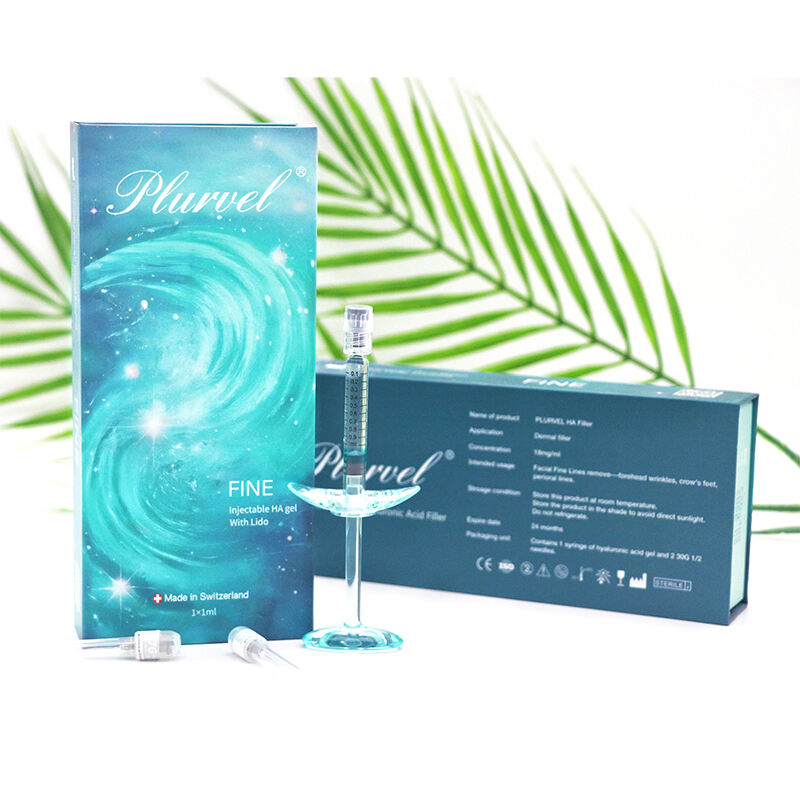
What 'Medical-Grade' Really Means for Hyaluronic Acid Suppliers
Clarifying regulatory tiers: FDA 510(k)/EU MDR Class III vs. cosmetic-grade HA
For hyaluronic acid used in injections, manufacturers need FDA 510(k) approval or EU MDR Class III certification first. These requirements aren't just paperwork either they actually demand proper safety checks, compatibility tests, and complete tracking of where everything comes from. On the flip side, what we call cosmetic grade HA faces much less strict rules. It can only be sold as something to put on skin, never injected because nobody knows if it's pure enough or safe long term when placed inside body tissues. The difference in regulation makes all the difference in results too. Medical quality HA sticks to tight standards with less than 0.03% heavy metals contamination. Meanwhile those cheaper alternatives might have as much as 30% stuff we don't even recognize in them.
Sterility, endotoxin limits (<0.5 EU/mg), and ISO 13485 GMP compliance as non-negotiable benchmarks
Medical grade hyaluronic acid suppliers stick to strict standards, keeping endotoxin levels below 0.5 EU/mg as required by USP <85>. This helps avoid dangerous pyrogenic reactions in patients. Their manufacturing facilities are certified under ISO 13485 for sterility. They monitor bioburdens regularly, run validated autoclave cycles, and perform aseptic filling without any particles getting in. Recent safety checks from around the world in 2023 showed these practices cut down on bad reactions by about 89% when compared to places that don't follow these rules. Following Good Manufacturing Practices means everything gets documented properly and processes stay tightly controlled throughout production.
| Requirement | Medical-Grade Standard | Cosmetic-Grade Typical |
|---|---|---|
| Endotoxin Testing | Batch-specific USP <85> | Occasional screening |
| Sterility Validation | Media fills + biological indicators (BIs) | Terminal sterilization only |
| Documentation | Full device master file (DMF) with audit trails | Basic certificate of analysis (COA) |
This level of control is what distinguishes filler-ready HA suppliers from general-purpose ingredient vendors.
How Top Hyaluronic Acid Suppliers Ensure Filler-Ready Quality Control
Endotoxin-free sourcing, residual solvent testing (GC-MS), and tight molecular weight control (1.0–2.5 MDa)
The best suppliers start by sourcing materials free from endotoxins because even small amounts over 0.5 EU per mg can cause inflammation when introduced into living systems. Every production batch goes through GC-MS testing to make sure leftover solvents like ethylene oxide stay under that 1 ppm threshold, which helps avoid harmful effects on tissues. Through special fermentation techniques, the molecular weight stays within the sweet spot of around 1 to 2.5 MDa. This range works well for getting just the right thickness, proper integration with tissues, and avoiding breakdown before it should happen. Independent labs run tests using rheology measurements and SEC analysis to check everything stays consistent across batches. Most quality manufacturers see less than 5% variation between different production runs, though some claim even better results depending on their specific processes.
Essential assays: ISO 10993-5 cytotoxicity, rheological profiling (G², tan δ), and accelerated stability (40°C/75% RH)
Quality control for final products depends on three main tests that have become standard practice. The first is the ISO 10993-5 test for cytotoxicity. This involves exposing human skin cells called dermal fibroblasts to samples of the hyaluronic acid product. If the material meets standards, it should maintain over 90% cell survival rates, which means there are no harmful substances being released from the product. Next up comes rheological profiling, which basically measures how elastic and viscous the substance behaves. For good lifting power, the storage modulus needs to be above 250 Pascals. And when tan delta stays below 0.3, that tells us the structure remains stable without deforming easily. Lastly, we run accelerated stability tests by keeping samples at 40 degrees Celsius with 75% humidity. These conditions mimic what happens over two years on store shelves. Products that pass keep less than 10% of their molecular weight and stay injectable through syringes even after just 90 days in those harsh conditions. All these tests work together to catch problems before they reach patients, preventing issues like lumps forming, movement away from injection sites, or unexpected inflammatory reactions.
Cross-Linking Chemistry & Gel Performance: Partnering with a Trusted Hyaluronic Acid Supplier
How we link together hyaluronic acid molecules really determines how well these dermal fillers work in practice, which is why working with an HA supplier who knows their science matters so much. When we cross link HA, it changes from its natural form into something stable - basically creating a 3D gel structure that can stand up against enzymes breaking it down but still stays compatible with our bodies. There are basically three main approaches currently dominating the market for these products:
BDDE vs. DVX vs. enzymatic cross-linking: impact on gel homogeneity, degradation rate, and clinical longevity
Cross-linker selection dictates key clinical attributes:
| Parameter | BDDE | DVX | Enzymatic |
|---|---|---|---|
| Gel Structure | Dense, high cohesion | Moderate uniformity | Natural polymer entanglement |
| Degradation | Slow (hyaluronidase-resistant) | Moderate | Fast (enzyme-sensitive) |
| Longevity | 12–24 months | 9–15 months | 6–9 months |
| Best Use | Deep volumizing, contour | Mid-depth correction | Fine lines, superficial layers |
BDDE forms those really stable ether bonds that result in strong, cohesive gels perfect for adding structure where needed. DVX gives good elasticity and works well with tissues too, though sometimes there can be minor differences between different batches when it comes to how uniform they are. The enzymatic method keeps HA's natural structure intact and maintains biocompatibility, but doesn't last as long which is why it's mostly used for temporary treatments with minimal risk involved. Smart manufacturers don't treat cross-linking density as some set number, instead they adjust it based on clinical needs. When they crank up the density, the product lasts longer and provides better support. Lower density means more flexibility and feels more natural during movement. This approach makes sure every formula matches exactly what's required for specific areas of the body and their particular functions.
FAQs
What is meant by "medical-grade" hyaluronic acid?
Medical-grade hyaluronic acid complies with stringent standards like FDA 510(k) approval or EU MDR Class III certification, ensuring safety, purity, and effectiveness for injections.
How does cosmetic-grade HA differ from medical-grade HA?
Cosmetic-grade HA is intended for topical use, with fewer regulations. It can't be injected because its long-term safety and purity are unproven.
Why is endotoxin testing important for hyaluronic acid?
Endotoxin testing ensures low levels of bacterial contaminants which could cause harmful pyrogenic reactions in patients if not controlled.
What role does cross-linking play in HA dermal fillers?
Cross-linking stabilizes HA, forming a gel structure that resists breakdown, ensuring longevity and effectiveness when used in dermal fillers.
What are the benefits of using BDDE for cross-linking?
BDDE creates a dense, cohesive gel structure ideal for deep volumizing and contouring, offering extended longevity of 12 to 24 months.