
 EN
EN
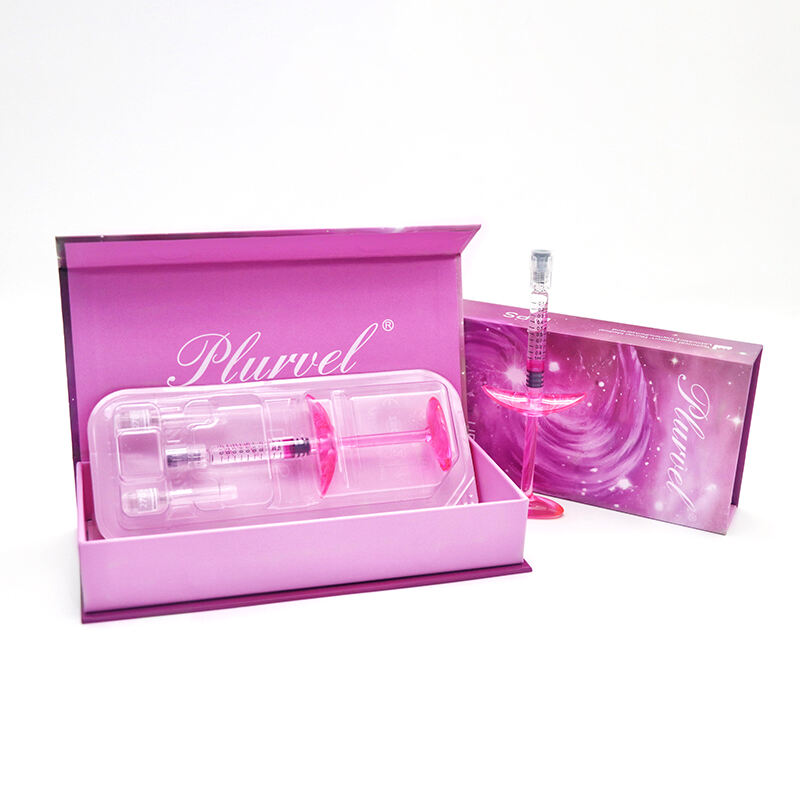
HA Molecular Weight Fundamentals: From Synthesis to Skin Interaction
How Hyaluronic Acid Supplier Selection Influences MW Consistency and Purity
The choice of hyaluronic acid supplier really affects how consistent the molecular weight distribution is between batches. Good suppliers rely on bacterial fermentation instead of old school animal extraction methods to get over 99% pure product with very specific molecular weight ranges. These are generally categorized into three main groups: low weight stuff under 50kDa, mid range materials from around 50 to 500kDa, and then the heavyweights above 1,000kDa mark. When purification isn't done right, there's a risk of getting protein impurities mixed in which can cut down on HA's ability to hold moisture by almost half according to some research published last year in the Journal of Cosmetic Dermatology. Top companies spend time fine tuning their fermentation processes so they can control this variability better, which means products will have consistent thickness, work properly when applied, and produce similar results across different applications.
Physicochemical Behavior: Viscosity, Diffusion, and Barrier Penetration by MW Tier
HA’s skin interaction varies dramatically across MW tiers due to distinct physicochemical properties:
- High-MW HA (>1,000 kDa): Forms occlusive surface films that reduce transepidermal water loss (TEWL) by 27%, delivering immediate cushioning and biomechanical support—but cannot penetrate intact stratum corneum.
- Medium-MW HA (250–1,000 kDa): Balances epidermal retention and moderate dermal diffusion, enhancing intercellular hydration without compromising barrier integrity.
- Low-MW HA (<50 kDa): Achieves ~80% deeper dermal penetration within 6 hours, stimulating collagen synthesis and aquaporin activity—yet offers minimal structural scaffolding.
These differences directly inform clinical strategy: high-MW for barrier repair and volume, low-MW for regenerative signaling, and blended systems for multi-layered rejuvenation.
Performance Trade-offs Across MW Ranges: Hydration, Volume, and Longevity
Low-MW HA: Rapid Epidermal Hydration vs. Limited Structural Support
HA with low molecular weight (under 50kDa) gets absorbed quickly through the outer skin layer and can boost moisture levels by around 41% in dry skin within just one day according to research from the Journal of Cosmetic Dermatology last year. This type of hyaluronic acid works by activating these special water channels called aquaporin-3. However, since it doesn't form those cross links between molecules, the plumping effect only lasts about three days at most and won't really help with deeper wrinkles or sagging areas. Even though it does make skin feel smoother and helps strengthen the protective barrier on the surface, our bodies break it down pretty fast. That means people need to apply it regularly if they want to maintain results over time.
High-MW HA: Immediate Volumizing Effect and Biomechanical Stability
HA with high molecular weight (over 1,000 kDa) creates these special networks that stand up pretty well against breakdown from enzymes called hyaluronidases. According to research published in Aesthetic Surgery Journal last year, these formulations can keep around 89% of their original volume even after six months. When injected, the big molecules create an instant lift effect particularly noticeable in areas like the middle part of the face and backs of hands because they integrate so thoroughly into tissues. But there's a catch too. These larger molecules don't spread much past where they're actually injected. That makes them great choices for things like filling out cheeks or smoothing out those lines that stay when we're not moving our faces, but not so good if someone wants deeper skin hydration across wider areas. Mixing HMW HA with lower molecular weight versions helps bridge this gap though. The combination gives doctors the best of both worlds: strong structural support from the bigger molecules while still allowing some of the smaller ones to work at a cellular level for better overall results.
Advanced Formulation Strategies: Cross-Linking, Blends, and Clinical Outcomes
Dual-MW Hyaluronic Acid Systems: Synergy in Wrinkle Reduction and Tissue Integration
Dual molecular weight hyaluronic acid systems work together in interesting ways. Low molecular weight HA gets absorbed into the skin's surface layer and helps cells take in more moisture, whereas high molecular weight HA acts like a scaffold beneath the skin, supporting collagen production and adding volume where needed. According to recent studies published in the Aesthetic Surgery Journal back in 2022, patients treated with these dual systems saw about 68% better results in reducing those deep lines around the nose and mouth compared to treatments using just one type of HA molecule. What makes this combination so effective is that it tackles multiple issues at once softening wrinkles, improving skin texture, and rebuilding underlying structure all at the same time. But getting good results depends heavily on how evenly mixed the different HA sizes are and maintaining quality standards throughout production something only reliable suppliers can consistently deliver when manufacturing these complex products.
Cross-Linked vs. Non-Cross-Linked HA Fillers—When MW Profile Overrides Chemistry
Filler longevity is governed more by intrinsic MW than cross-linking chemistry. High-MW HA resists enzymatic breakdown regardless of modification, while low-MW variants degrade rapidly—even when cross-linked.
| Property | Cross-Linked HA | Non-Cross-Linked HA |
|---|---|---|
| Duration | 9–12 months | 3–6 months |
| Viscosity | High cohesion | Low cohesion |
| Key Driver | MW > cross-link density | MW dictates longevity |
When we talk about cross-linking, what we're really looking at is improved volume building and better structural integrity. But here's something important to remember: cross-linking won't fix problems that start with poor molecular weight (MW) profiles. Take ultra low MW hyaluronic acid as an example. When it's not cross linked, it works wonders on those fine lines around the mouth because it spreads so easily. On the flip side, high MW hyaluronic acid that hasn't been cross linked tends to last much longer in static wrinkles, sometimes keeping results visible for eight months or more. At the end of the day, the MW profile sets the stage for how well these treatments will work. Cross linking might tweak things here and there, but it can't completely change what's already built into the basic structure of the molecule itself.
FAQ
What is molecular weight (MW) in hyaluronic acid?
Molecular weight refers to the size of the hyaluronic acid molecules. It's typically categorized by lower, medium, and high molecular weight, each having different effects and characteristics on the skin.
Why is the choice of a hyaluronic acid supplier important?
Choosing a reliable supplier is crucial because it affects the purity and consistency of the molecular weight distribution in the hyaluronic acid product, impacting its performance and effectiveness.
What are the differences between cross-linked and non-cross-linked hyaluronic acid?
Cross-linked hyaluronic acid has greater structural integrity and longer-lasting effects due to its high cohesion, while non-cross-linked variants have lower cohesion and shorter duration but may spread more easily.