
 EN
EN
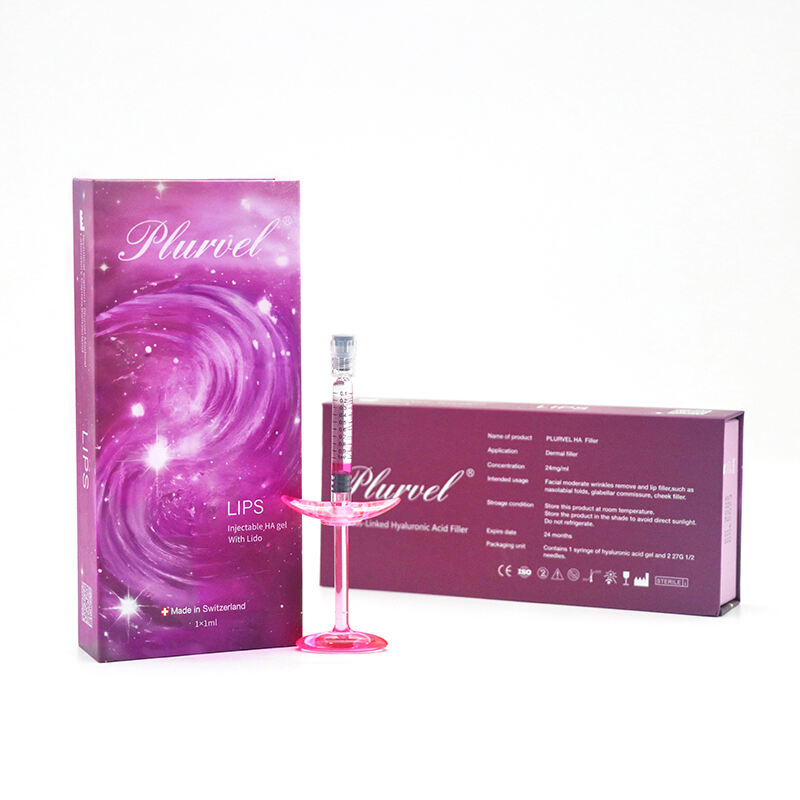
Why OEM Hyaluronic Acid Injection Is Driving Growth in Non-Facial Body Contouring
Rising Demand for Customizable, Region-Specific HA Fillers Beyond the Face
More and more people are looking at body contouring options for spots like the chest area, hands, and knees lately. They want everything to look consistent on skin that's constantly visible. Hyaluronic acid fillers work really well for this because they're safe inside the body and can be adjusted to different needs. When we talk about injecting HA into the body instead of the face, there's quite a difference. The stuff used needs to be thicker, hold together better, and actually lift tissue since it has to deal with movement and pressure from everyday activities. Clinics around the country have seen something like a 47% jump each year in folks asking about butt enhancements and fixing old scars with these fillers since about 2023. The people getting these treatments come from all walks of life too. Although most still tend to be women past 40 years old, guys and younger folks make up about 35% of those going for non-face HA treatments nowadays, often wanting to maintain shape before issues even start showing. Being able to adjust how tightly linked the molecules are, change particle sizes, and tweak how the material responds to pressure lets practitioners customize treatments for different parts of the body. That flexibility explains why many cosmetic clinics keep investing in high quality hyaluronic acid products despite the costs involved.
Regulatory & Manufacturing Advantages of Partnering with ISO 13485 Certified OEMs
Getting ISO 13485 certification means OEM partners have access to quality management systems that really matter when making body contouring products. The standard basically makes sure everyone follows Good Manufacturing Practices from start to finish – we're talking about everything from where they get their raw materials all the way to those final sterility tests. What's great is this setup allows manufacturers to scale up production of those high volume HA formulations without worrying about inconsistencies between batches. Companies that work with certified manufacturers tend to cut down their regulatory problems by around half, plus they bring products to market roughly four to six months faster than others who aren't certified. When businesses team up with these pre-certified OEMs, they save themselves a lot of headaches dealing with compliance issues. That frees up valuable resources so they can actually spend time on what matters most – validating their clinical results and educating markets about their latest body contouring innovations.
Technical Requirements for Effective OEM Hyaluronic Acid Injection in Body Applications
Hyaluronic Acid (HA) fillers for non-facial body contouring demand specialized engineering to address unique challenges like higher tissue stress, larger treatment volumes, and gravitational forces. OEM partnerships enable brands to leverage cutting-edge formulations tailored for these applications.
Optimizing Cross-Linking Density and Viscoelasticity for Subcutaneous Volume Replacement
The amount of cross linking in these materials really affects how strong the gel is, how well it resists enzymes, and how long it lasts which matters a lot when replacing volume under the skin in areas that get a lot of movement like the butt or calf muscles. Viscoelasticity basically means finding the right mix between being thick (G') and elastic (G'') and this balance determines whether something can be injected properly, integrate into tissues, and perform well during normal activities. When products have good viscoelastic characteristics they tend to deliver smoothly and move naturally in the body, which helps avoid problems like bumps forming or the material shifting around after treatment. Studies indicate that fillers showing G' readings over 500 Pa generally give better results in parts of the body that support weight. Manufacturers can adjust the level of cross linking usually through BDDE to create different formulas tailored for specific parts of the body where mechanical requirements vary, and this customization ultimately leads to safer treatments and better results for patients overall.
Ensuring Cohesivity, Lift Capacity, and Long-Term Stability in High-Volume HA Formulations
Commercial Execution: Launching a Competitive OEM Hyaluronic Acid Injection Line
Balancing Premium Brand Positioning with OEM Cost Efficiency and Speed-to-Market
Getting products to market successfully means finding the right balance between what customers see as valuable and what makes economic sense for original equipment manufacturers. Companies do this by making smart choices about their formulas, such as optimizing cross linking so the product lasts longer, which supports higher price points. At the same time, working with OEM partners allows brands to take advantage of large scale manufacturing facilities, cutting down unit costs anywhere from 30 to 50 percent compared to producing everything internally. Speed matters too. Many ISO 13485 certified OEMs can shorten development timeframes to around 8 to 12 months because they already have validated platforms ready to go. Where money should be spent? On things that really stand out, like special delivery systems that improve patient comfort or packaging designs that look clinically credible. Keeping profit margins intact often involves creating different product tiers. Basic versions work well for markets where quantity sells, while more sophisticated viscoelastic products find their place in upscale clinics looking for top quality solutions.
Proven GTM Framework: Clinical Validation, KOL Collaboration, and Tiered Distribution for Body-Specific HA Products
Implement a three-pillar market entry strategy:
- Clinical Validation: Sponsor independent studies demonstrating 12-month persistence in subcutaneous tissue—critical for body applications requiring sustained volume.
- KOL Engagement: Co-develop protocols with aesthetic surgeons for buttock and calf augmentation, translating real-world feedback into application-specific training modules.
-
Channel Segmentation:
| Tier | Target | Product Focus | Support Model |
|-------------|---------------------|---------------------|------------------------|
| Premium | Surgical Centers | High-cohesivity HA | Dedicated clinical reps|
| Mid-Market | Medical Spas | Balanced G'/G'' HA | Hybrid digital training|
| Volume | Dermatology Chains | Cost-optimized HA | Self-service portals |
This approach captures 18–22% faster revenue ramp-up by aligning value propositions with channel needs—while leveraging OEM manufacturing flexibility for regional inventory optimization. In a $1.2B growth segment, strategic OEM partnerships consistently outperform solo commercialization in scalability, speed, and clinical credibility.
FAQ Section:
-
What is OEM hyaluronic acid?
OEM (Original Equipment Manufacturer) hyaluronic acid refers to hyaluronic acid developed and manufactured for use in branded products by different companies, often providing custom formulations. -
Why is hyaluronic acid used beyond facial areas?
Hyaluronic acid is used beyond facial areas for body contouring due to its ability to lift tissue, retain structure under movement, and provide consistency across visible body regions. -
What are the advantages of working with ISO 13485 certified OEMs?
ISO 13485 certified OEMs adhere to stringent manufacturing standards, reducing regulatory issues, ensuring product quality, and accelerating market entry. -
How does cross-linking density affect HA fillers?
Cross-linking density affects the gel strength, enzyme resistance, longevity, and injectable quality of HA fillers.