
 EN
EN
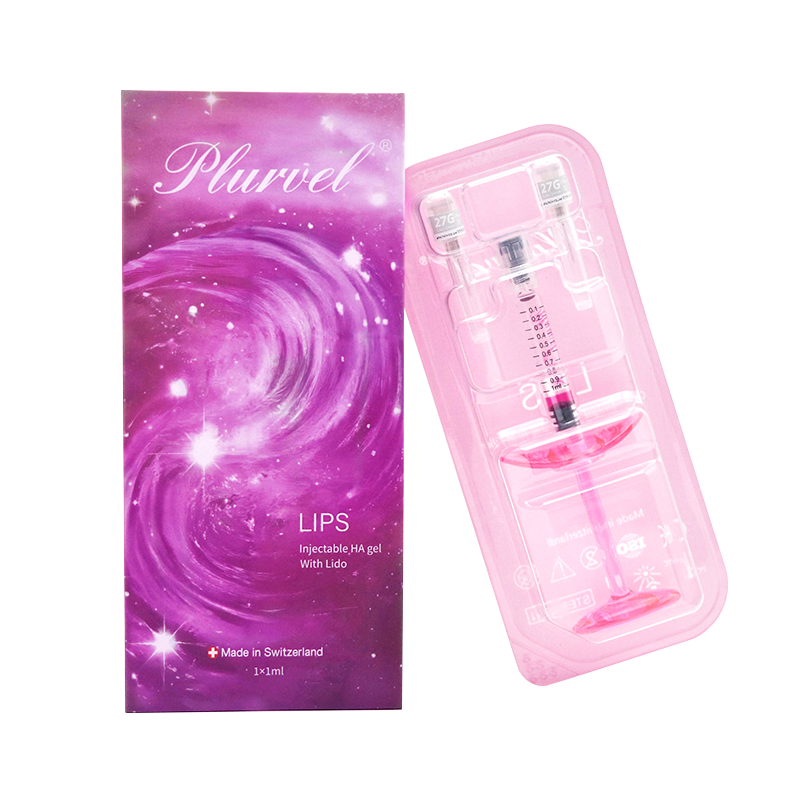
Why Biotech-Driven HA Production Is Reshaping Supplier Selection
The Shift from Animal-Derived to Fermentation-Based Hyaluronic Acid
Hyaluronic Acid (HA) production has undergone a fundamental transformation—moving from traditional rooster comb extraction to microbial fermentation. This shift resolves critical limitations of animal-derived methods, including inconsistent purity (as low as 85% in some batches) and ethical concerns over animal components in biomedical applications. Fermentation-based production now dominates the market, delivering ≥98% purity while reducing environmental impact by 40% compared to animal-sourced HA. Advancements in recombinant systems—using non-pathogenic strains like Bacillus subtilis—eliminate endotoxin risks that once restricted HA’s use in pharmaceuticals. As a result, modern hyaluronic acid suppliers can deliver standardized, high-molecular-weight HA at industrial scale—essential for applications demanding predictable viscosity, bioactivity, and regulatory compliance.
Regulatory Rigor and Batch-to-Batch Consistency in Microbial HA Supply
Pharmaceutical-grade HA demands uncompromising consistency: regulatory standards require endotoxin levels ≤0.05 EU/mL and molecular weight variance under ±5% between batches. Microbial fermentation enables real-time monitoring of critical process parameters—pH, dissolved oxygen, nutrient flux—within automated bioreactors, achieving near-perfect batch replication and reducing deviation incidents by 76% versus legacy methods. This precision directly affects clinical performance: dermal fillers rely on exact rheological properties, while ocular surgery formulations tolerate virtually zero impurities. Suppliers operating ISO 13485-certified facilities with continuous process validation now set the industry benchmark—particularly given clinical audits showing inconsistent HA triggers immune reactions in 12% of patients.
Strategic Benefits of Partnering with a Biotech Hyaluronic Acid Supplier
Accelerated Innovation Through Co-Development and Shared Fermentation Platforms
Partnering with a biotech hyaluronic acid supplier unlocks accelerated innovation. Shared fermentation platforms enable rapid prototyping across a broad molecular weight range (500 kDa to 2.4 MDa) and purity tiers (>99%), cutting development cycles by 30–50%. Co-development agreements grant access to proprietary microbial strains and bioreactor optimization data—allowing brands to bypass capital-intensive R&D. This collaborative model compresses 18-month formulation timelines into 6–9 month sprints, accelerating time-to-market for premium skincare and nutraceutical products without compromising quality or scalability.
Sustainability, Traceability, and Pharma-Grade Compliance as Value Drivers
Biotech partnerships deliver measurable ESG advantages: microbial HA synthesis reduces water consumption by 60% and carbon emissions by 75% compared to rooster-comb extraction. Full batch traceability—from strain selection through purification—meets tightening regulatory expectations in key markets like the EU and China, where 92% of brands now require ISO 13485 documentation. Pharma-grade compliance—defined by adherence to USP/EP pharmacopeial standards—ensures cross-category applicability, supporting growing demand: 45% of global HA volume serves beauty supplements and 38% supports joint health formulations. These operational strengths strengthen brand positioning in markets where transparency, ecological responsibility, and regulatory readiness are non-negotiable.
How to Evaluate a Hyaluronic Acid Supplier’s Industrial-Scale Maturity
Key Fermentation Metrics: Yield, Purity, Molecular Weight Control, and Scalability
Industrial-scale partnerships demand rigorous assessment of a hyaluronic acid supplier’s fermentation maturity. Four metrics are decisive:
- Yield: Measures conversion efficiency of raw materials; high-yield strains reduce production costs by 20–30%.
- Purity: Non-negotiable for pharmaceutical use; require ≥99.9% purity validated via HPLC, with endotoxin testing confirming <0.05 EU/mL.
- Molecular Weight (MW) Control: Batch-to-batch consistency within ±5 kDa ensures reliable performance in viscosupplements and dermal fillers.
- Scalability: Pilot-to-production success rates above 90% signal robust process engineering—and correlate with 40% faster tech-transfer timelines.
Prioritize partners with ISO 13485/GMP certification and transparent, auditable batch records. Fermentation process validation—including documented pH and temperature stability logs—reduces defect rates by 78% versus non-validated systems, safeguarding supply continuity and regulatory acceptance.
Market Alignment: Matching HA Supplier Capabilities to Application Demand
Hyaluronic acid (HA) applications vary dramatically—from ultra-pure, high-molecular-weight fractions required for dermal fillers and injectables, to low-viscosity, cost-optimized forms used in eye drops and nutraceuticals. Effective supplier selection hinges on precise alignment between technical capabilities and application requirements. For pharmaceutical-grade injectables, insist on microbial fermentation systems with endotoxin control below 0.05 EU/mg and validated MW consistency (±5% batch variance). For nutraceuticals, prioritize yield efficiency and scalable purification—not just purity. Suppliers with application-specific expertise in viscosity modulation, terminal sterilization (e.g., gamma vs. filtration), and regulatory dossier support (FDA Drug Master Files, CPNP cosmetic notifications) accelerate time-to-market by up to 40%. Assess scalability rigorously: bioreactor capacity (e.g., 10,000L+ tanks), QA documentation depth, and proven commercial-scale batch history—not just pilot data—to prevent costly reformulations during scale-up.
FAQ
Why is fermentation-based hyaluronic acid production superior to animal-derived methods?
Fermentation-based production delivers higher purity (≥98%), resolves ethical concerns associated with animal components, and reduces environmental impact by 40%, making it a more sustainable and reliable choice.
What are the critical regulatory requirements for pharmaceutical-grade HA?
Regulatory demands include endotoxin levels ≤0.05 EU/mL and molecular weight variance under ±5% between batches, ensuring safety and consistency in clinical applications.
How do biotech partnerships accelerate innovation in HA production?
Biotech partnerships offer access to shared fermentation platforms, proprietary microbial strains, and advanced bioreactor optimization, reducing development timelines by 30–50%.
What ESG benefits are associated with microbial HA production?
Microbial HA production reduces water consumption by 60% and carbon emissions by 75% compared to traditional methods, while delivering full batch traceability to meet regulatory demands.
What factors should be considered when evaluating a hyaluronic acid supplier?
Key factors include yield efficiency, purity levels (≥99.9%), molecular weight control within ±5 kDa, batch scalability, and ISO 13485/GMP certification for regulatory compliance.
Table of Contents
- Why Biotech-Driven HA Production Is Reshaping Supplier Selection
- Strategic Benefits of Partnering with a Biotech Hyaluronic Acid Supplier
- How to Evaluate a Hyaluronic Acid Supplier’s Industrial-Scale Maturity
- Market Alignment: Matching HA Supplier Capabilities to Application Demand
-
FAQ
- Why is fermentation-based hyaluronic acid production superior to animal-derived methods?
- What are the critical regulatory requirements for pharmaceutical-grade HA?
- How do biotech partnerships accelerate innovation in HA production?
- What ESG benefits are associated with microbial HA production?
- What factors should be considered when evaluating a hyaluronic acid supplier?