
 EN
EN
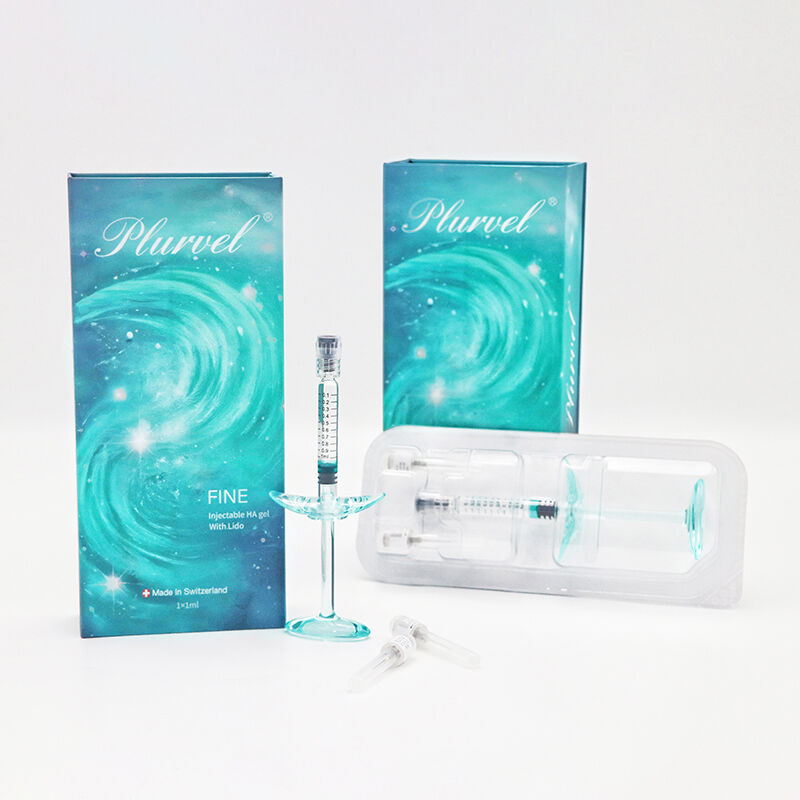
Why Aesthetic Brands Choose a Dedicated Hyaluronic Acid Supplier
Hyaluronic acid (HA) is the foundation of modern dermal fillers, delivering the volumizing and hydrating performance consumers expect. Aesthetic brands increasingly partner with dedicated HA suppliers—not general chemical distributors—to secure pharmaceutical-grade purity, batch-to-batch consistency, and global regulatory readiness. Specialized suppliers maintain stringent endotoxin controls (<0.05 EU/mg) and tightly regulated molecular weight distribution—non-negotiable for safety, efficacy, and clinical predictability. With 78% of aesthetic companies citing supply chain disruption as their top operational challenge (2023 Cosmetic Industry Report), vertically integrated production and dual-sourcing strategies from dedicated partners significantly de-risk procurement. These capabilities support compliance with FDA 21 CFR Part 211 and EU MDR requirements while cutting validation timelines by 40% and accelerating time-to-market. Ultimately, partnering with a specialized hyaluronic acid supplier transforms raw material sourcing into a strategic lever—enabling brands to prioritize clinical differentiation and capture share in the $18.3 billion injectables market.
Pharmaceutical-Grade HA Production: Scale, Purity, and Regulatory Readiness
Pharmaceutical-grade hyaluronic acid demands vertically integrated manufacturing to ensure the purity, consistency, and regulatory compliance required for injectable aesthetics. Leading suppliers achieve this through microbial fermentation under strictly controlled bioreactor conditions—eliminating animal-derived contaminants and enabling ton-scale, reproducible output.
High-Capacity Fermentation & Aseptic Purification for Consistent Bulk Supply
Modern facilities use 10,000+ liter bioreactors for microbial HA synthesis, followed by multi-stage downstream purification—including tangential flow filtration (TFF) and chromatography—to remove proteins, nucleic acids, and processing residuals. Continuous aseptic handling—from harvest through lyophilization—prevents microbial ingress, while validated sanitization protocols preserve equipment sterility. The result is exceptional batch-to-batch uniformity, supporting large-volume contracts with >99.5% pure HA output and predictable rheological behavior in final formulations.
Strict Control of Endotoxin Levels, Molecular Weight Distribution, and Lot-Specific Certifications
Every lot undergoes rigorous quality control exceeding ISO 13485 and USP <61>/<62> requirements. Endotoxin levels are maintained below 0.05 EU/mg using depyrogenation tunnels and endotoxin-specific affinity resins. Molecular weight distribution is narrowed to ±10% of target via fractional precipitation—ensuring consistent viscoelastic performance across batches. Comprehensive documentation includes lot-specific Certificates of Analysis (CoA) confirming compliance with FDA 21 CFR Part 211 and EU Annex 1 GMP standards, expediting regulatory submissions. One facility audit revealed 100% lot acceptance over 12 months—demonstrating how robust process controls directly mitigate supply chain risk.
| Parameter | Test Method | Specification |
|---|---|---|
| Endotoxins | LAL Kinetic Chromogenic | ≤0.05 EU/mg |
| Molecular Weight | SEC-MALS | Target ±10% CV |
| Sterility | Membrane Filtration | No Growth in 14 Days |
Non-Animal, Microbial Fermentation HA: Compliance Across US FDA, EU MDR, and APAC Markets
For aesthetic brands expanding globally, non-animal microbial fermentation HA delivers decisive regulatory advantages. This method eliminates pathogen risks associated with animal tissues while meeting the strict purity and consistency benchmarks required across major markets. In the US, FDA classifies HA dermal fillers as Class III medical devices requiring PMA or 510(k) clearance—biocompatibility documentation is streamlined with fermentation-derived HA due to its defined origin and low endotoxin profile. Under the EU MDR, CE marking requires comprehensive technical files and clinical evaluations; microbial HA’s consistent molecular weight and endotoxin control (<0.05 EU/mg) simplify conformity assessments. In APAC markets—including Japan (PMDA) and China (NMPA)—microbial HA avoids restrictions on animal-sourced materials, accelerating registration. A strategic hyaluronic acid supplier supports this global rollout with batch-specific certifications and regulatory readiness documentation, reducing time-to-market by 4–6 months versus animal-derived alternatives.
End-to-End Supply Chain Partnership: From Bulk HA to Dermal Filler Commercialization
Strategic collaboration with a dedicated hyaluronic acid supplier transforms raw material procurement into a competitive advantage for aesthetic brands. By aligning bulk HA production schedules with fill-finish manufacturing timelines, partners reduce commercialization delays and enhance supply resilience—critical in an industry projected to reach $15.4 billion by 2025.
Lead-Time Optimization, VMI Support, and Seamless Integration with Fill-Finish Operations
Three pillars define high-efficiency partnerships:
- Lead-time compression via predictive demand modeling, reducing buffer stocks by 30–40%
- Vendor Managed Inventory (VMI) programs that auto-replenish HA based on real-time consumption data
- Fill-finish readiness through pre-validated HA formats—sterile solutions and lyophilized powders—engineered for compatibility with automated syringe-filling lines
This operational synergy eliminates batch hold times and redundant quality rechecks, freeing internal resources for innovation, clinical development, and market expansion.
FAQ
What is the primary reason aesthetic brands choose dedicated hyaluronic acid suppliers?
Aesthetic brands choose dedicated hyaluronic acid suppliers primarily for pharmaceutical-grade purity, batch-to-batch consistency, and global regulatory readiness.
How do specialized suppliers maintain low endotoxin levels in hyaluronic acid production?
Specialized suppliers maintain low endotoxin levels through strict quality controls, including the use of depyrogenation tunnels and endotoxin-specific affinity resins.
What is the advantage of non-animal microbial fermentation in HA production?
Non-animal microbial fermentation in HA production eliminates pathogen risks associated with animal tissues and meets regulatory benchmarks, facilitating easier global market registration.
How do strategic partnerships with HA suppliers benefit aesthetic brands?
Strategic partnerships optimize lead times, reduce buffer stocks through predictive demand modeling, and provide vendor managed inventory programs, streamlining the entire supply chain from bulk HA to dermal filler commercialization.
Table of Contents
- Why Aesthetic Brands Choose a Dedicated Hyaluronic Acid Supplier
- Pharmaceutical-Grade HA Production: Scale, Purity, and Regulatory Readiness
- Non-Animal, Microbial Fermentation HA: Compliance Across US FDA, EU MDR, and APAC Markets
- End-to-End Supply Chain Partnership: From Bulk HA to Dermal Filler Commercialization
-
FAQ
- What is the primary reason aesthetic brands choose dedicated hyaluronic acid suppliers?
- How do specialized suppliers maintain low endotoxin levels in hyaluronic acid production?
- What is the advantage of non-animal microbial fermentation in HA production?
- How do strategic partnerships with HA suppliers benefit aesthetic brands?