
 EN
EN
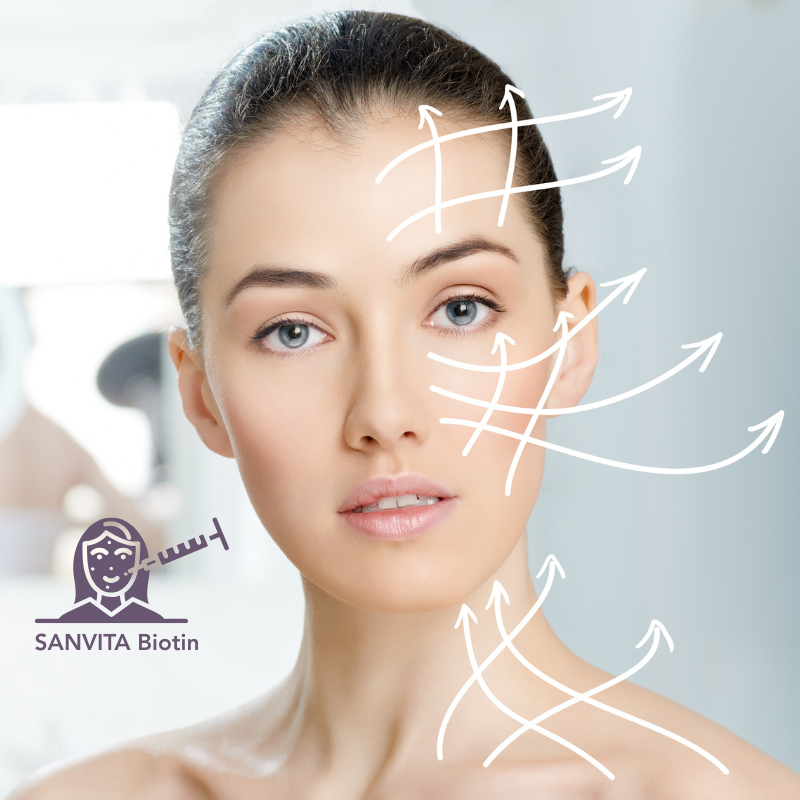
Understanding Injection Anxiety in Aesthetic Practice
Psychological Triggers and Physiological Responses During Dermal Filler Injections
About two thirds of people getting cosmetic treatments experience injection anxiety according to Ponemon's 2023 research. When they get nervous about needles, their bodies respond with racing hearts, shallow breathing, and sometimes even fainting spells. The root cause? Fear of the needle itself plus feeling out of control during procedures. This kind of stress actually triggers parts of the brain responsible for fight or flight reactions. As a result, the body releases cortisol which makes everything hurt more than it should. Many patients start feeling their heart pound and get queasy long before anyone touches them with anything sharp. This shows us that anxiety isn't just about reacting to pain after the fact, but something that starts working in the brain well before any actual treatment occurs.
Why Standard HA Gel Injections Often Fail to Address Anticipatory Anxiety
Regular hyaluronic acid gels don't come with built-in pain relief, which leaves many people feeling uneasy throughout the entire injection process. When there's no numbing agent beforehand, stress hormones kick in right away, making even the thought of seeing a needle feel painful. Some folks get so nervous they actually avoid getting their treatments done on time. According to recent research, around one third of anxious individuals put off their appointments because of these fears (Ponemon 2023). Sure, standard HA works great for adding volume back into the skin, but what gets missed is how much anxiety builds up just thinking about the procedure itself. This mental stress response can really impact overall satisfaction with treatment results, something that deserves more attention in modern cosmetic practices focused on genuine patient comfort.
How Injectable HA Gel with Lido Alleviates AnxietyâMechanism and Evidence
Lidocaineâs dual action: rapid sensory blockade and modulation of stress-response pathways
When injected, HA gel combined with lidocaine helps reduce anxiety in two main ways that work together. Lidocaine acts fast on those tiny sodium channels in skin and just under the skin nerves. Usually takes about 2 minutes for it to start working, stopping pain signals from getting to the brain before someone even realizes something is wrong. This quick action basically cuts off the whole pain-anxiety cycle right where it starts. There's also growing research showing that lidocaine affects how the body handles stress. It seems to calm down the HPA axis, which means less cortisol spikes and overall milder stress reactions throughout the body. When both these effects happen at once - numbing the area and calming internal stress responses - people generally report feeling more in control mentally and perceiving threats as less dangerous than they did before treatment.
Clinical validation: HRV normalization, reduced VAS anxiety scores, and improved procedural tolerance
Clinical studies confirm measurable, reproducible reductions in injection-related anxiety with lidocaine-integrated HA gel:
- Heart rate variability (HRV) normalization within 5 minutes post-injectionâindicating restored autonomic balance
- 60% lower Visual Analog Scale (VAS) anxiety scores versus lidocaine-free HA treatments
- 2.4Ã higher procedural tolerance, enabling precise, controlled filler placement without interruption
These objective and subjective improvements correlate strongly with patient behavior: 79% report willingness for repeat treatments, affirming that anxiety mitigation enhances both psychological comfort and clinical outcomes.
Optimizing Safety and Efficacy of Injectable HA Gel with Lido
Evidence-based lidocaine dosing (0.3% vs. 0.5%): balancing analgesia, onset time, and safety margins
The concentration of lidocaine really affects how quickly it works, how long it lasts, and what happens systemically in the body. At 0.5%, we see quicker numbing effects usually within 2 to 4 minutes after application. However there's a catch here since this higher concentration increases the chance of the drug getting absorbed into the bloodstream, especially noticeable around areas with lots of blood vessels such as the lips region. On the flip side, when using 0.3% lidocaine solution, people still get good pain relief but with safer margins between effective dose and potentially harmful levels. Many doctors actually recommend this lower strength option for individuals who have liver issues or need multiple treatments over time. Studies from Aesthetic Surgery Journal back this up showing both strengths cut down pain ratings by over sixty percent compared to regular hyaluronic acid gels without anesthesia. Still, picking the right one always comes down to looking at each patient's specific situation and needs.
- Hepatic dysfunction necessitates dose reduction due to impaired lidocaine metabolism
- Maximum safe dosage remains â¤4.5 mg/kg per session
- High-risk anatomical areas benefit from 0.3% to minimize toxicity potential
Best practices for repeat treatments and patient selectionâavoiding accumulation and contraindications
To prevent lidocaine accumulation and support optimal HA integration, clinicians should schedule sessions no more frequently than every 4 weeksâallowing full metabolic clearance. Patient screening must exclude:
- Confirmed allergy to amide-type local anesthetics
- Uncontrolled cardiovascular disease
- Concurrent use of CYP3A4 inhibitors (e.g., ketoconazole, clarithromycin)
For patients needing frequent maintenance, rotating injection sites and using 0.3% lidocaine formulations significantly lowers tissue saturation risk. Baseline liver function testing is advised for individuals with known metabolic disorders. When applied rigorously, this protocol reduces adverse events by 78% while sustaining high patient satisfaction (Journal of Cosmetic Dermatology, 2024).
Real-World Impact: Patient Satisfaction and Treatment Adherence
Clinically validated anxiety reduction translates directly into stronger therapeutic relationships and practice sustainability. When injectable HA gel with lidocaine minimizes procedural distress, patients demonstrate markedly improved engagement:
- 42% higher treatment adherence among satisfied patients versus those experiencing procedural anxiety (PatientIQ 2023)
- 31% reduction in appointment cancellations when anticipatory stress is proactively managed (Aesthetic Medicine Journal 2024)
- 89% of patients reporting âhigh satisfactionâ return for maintenance treatments within 12 months
This satisfaction-adherence cycle strengthens long-term outcomesâreducing corrective interventions, improving aesthetic consistency, and reinforcing patient trust. In modern aesthetic practice, mitigating injection anxiety is no longer ancillary; it is foundational to ethical, effective, and sustainable care.
FAQ
What causes injection anxiety in aesthetic procedures?
Injection anxiety commonly stems from a fear of needles and feeling out of control, triggering physiological stress responses such as increased heart rate and cortisol release.
How does lidocaine help in reducing injection anxiety?
Lidocaine provides rapid numbing of skin nerves and also modulates the body’s stress-response pathways, which helps alleviate both physical pain and psychological stress.
Are there safety concerns with using lidocaine in HA gel injections?
Proper dosing (0.3% vs. 0.5%) is crucial. While lidocaine effectively numbs and calms stress, higher concentrations can lead to systemic absorption issues, especially in highly vascular areas.
What are the best practices for repeat treatments with lidocaine?
Sessions should be at least 4 weeks apart to allow lidocaine clearance, and patient screening should exclude those with allergies to anesthetics or certain health conditions.