
 EN
EN
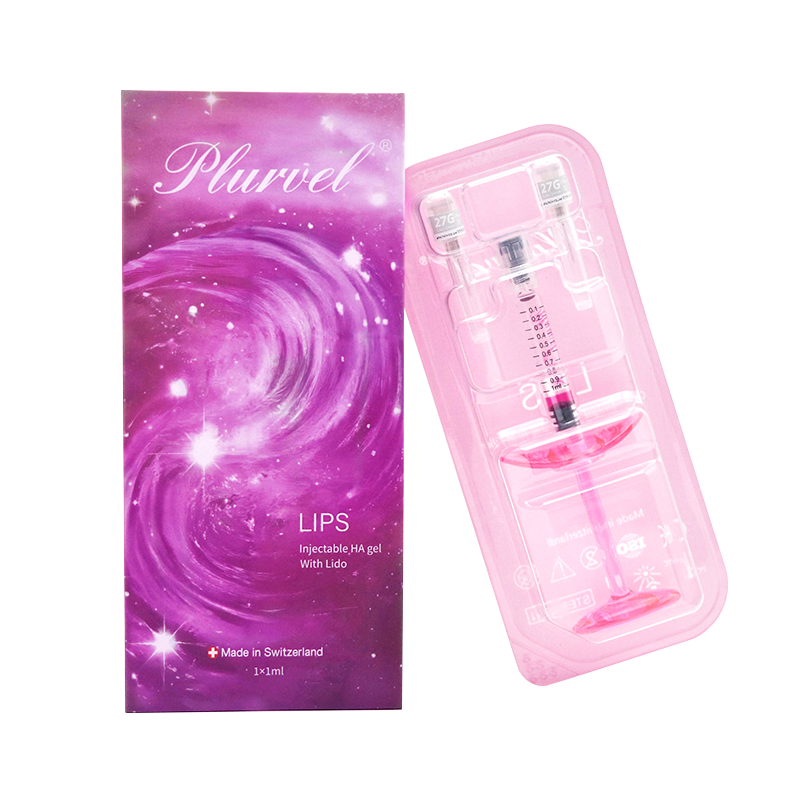
Science-Backed Formulation Development for Dermal Fillers OEM
Hyaluronic Acid Crosslinking Strategies to Optimize Viscosity, Elasticity, and Longevity
Getting the right crosslinking density in hyaluronic acid products makes all the difference when it comes to achieving that balance between injection smoothness, proper tissue support, and lasting effects after treatment. The newer BDDE method allows manufacturers better control over how those HA chains bond together, which means they can customize the properties for different parts of the body where treatments are applied. More crosslinking does mean longer lasting results, but there's a catch. Manufacturers have to go through extra steps to clean out any leftover BDDE down to below 2 parts per million. They check this using techniques like nuclear magnetic resonance and size exclusion chromatography coupled with high performance liquid chromatography. These methods follow standards set by organizations such as ISO and guidelines from the FDA regarding what counts as acceptable levels of impurities.
Stability Profiling: Real-Time and Accelerated Testing for Shelf-Life Validation
When validating shelf life, manufacturers typically combine long term real time monitoring (usually over 24 months at room temperature conditions of 25 degrees Celsius and 60% relative humidity) alongside accelerated testing methods that last between 3 to 6 months at higher temperatures like 40 degrees Celsius and 75% humidity levels. These combined approaches help predict how products degrade when exposed to different types of stress factors including heat, physical forces, and light exposure. Several key quality indicators need close attention during this process. For instance, hyaluronic acid concentrations must stay within tight limits measured through carbazole assays with a tolerance window of plus or minus 5%. Particulate matter counts also matter greatly according to USP standards 788 specifications which limit contamination to no more than 6,000 particles measuring at least 10 micrometers in size per individual syringe. Sterility remains another absolute requirement where samples undergo membrane filtration tests showing absolutely no microbial growth after incubation periods lasting 14 full days. Throughout all these assessments, pH levels should remain stable between 6.8 and 7.5 while osmolality readings need to fall within the range of 250 to 350 milliosmoles per kilogram. Maintaining these parameters ensures proper function and safety characteristics essential for injectable products. Ultimately, keeping everything within these ranges helps maintain both patient safety and compliance with important international guidelines such as ICH Q5C and Q1A(R2).
Precision Manufacturing of Dermal Fillers OEM: From Bulk Solution to Sterile Product
Aseptic Processing, Terminal Filtration, and Bioburden Control in Class C/D Environments
Ensuring sterility starts with controlling the environment. Production takes place in ISO Class C/D cleanrooms equipped with HEPA filters that limit airborne particles to around 3,520 per cubic meter at 0.5 microns or larger. These facilities maintain unidirectional airflow patterns and carefully managed pressure gradients to stop contaminants from getting in. To eliminate microorganisms from bulk hyaluronic acid solutions, manufacturers use terminal filtration membranes rated at 0.22 microns. Regular bioburden testing during key stages of processing helps validate whether sterilization protocols are working properly. The industry has increasingly turned to automated filling equipment because it cuts down on manual handling, which reduces both variability between batches and the chances of introducing contaminants. For ongoing compliance checks, real time particle monitoring combined with routine surface swabbing according to standards like EU MDR Annex 1 and FDA 21 CFR Part 820 ensures products consistently meet requirements for sterility set by USP Chapter 71 as well as quality management system criteria outlined in ISO 13485.
Pre-Filled Syringe Packaging & Release Testing: Guaranteeing Delivery Performance
Automated Filling Accuracy, Seal Integrity (HVLD/CCIT), and Particulate Inspection
The performance of pre-filled syringes relies on integrated release testing that meets ISO 11608 standards. Modern automated filling equipment maintains around 1% accuracy when measuring volume, which matters a lot for hyaluronic acid products where even small differences affect results. To check if the seals hold up, manufacturers use techniques like High Voltage Leak Detection and Container Closure Integrity Testing. These methods can spot tiny flaws smaller than a micron that might let bacteria in or cause the gel to leak out over time. Vision systems automatically scan each product looking for particles bigger than 10 microns, keeping within the USP standard that allows no more than 6,000 particles per container. A recent look at FDA recalls from 2023 showed that problems with sealing accounted for nearly one third of all issues with skin fillers. That's why companies can't skip these quality checks when releasing batches for market.
Regulatory Pathway for Dermal Fillers OEM: GMP, FDA 21 CFR Part 820, and MDR Compliance
Navigating the regulatory landscape for dermal fillers OEM demands integrated adherence to global standards: Current Good Manufacturing Practice (cGMP) ensures production consistency; FDA 21 CFR Part 820 governs U.S. quality system requirements; and EU MDR 2017/745 defines classification, clinical evaluation, and post-market obligations for Class III devices.
Quality Management System (QMS) Implementation and Batch Record Traceability
The heart of operations lies in a properly certified QMS system following ISO 13485 standards. Such systems require strict design controls including thorough documentation of inputs and outputs, along with comprehensive Device Master Records (DMR) and Design History Files (DHF). Electronic batch record systems make tracking possible all the way from raw hyaluronic acid lots right through to the final packaged syringes. Automated CAPA processes help close those quality gaps much faster than manual methods ever could. Looking at the latest 2023 PMA audit results shows something interesting: most compliance issues still stem from poor risk documentation practices. This highlights why manufacturers must integrate solid risk assessment protocols into their daily QMS routines instead of treating them as afterthoughts during audits.
Post-Market Surveillance, Vigilance Reporting, and Clinical Evidence Requirements
What happens after product approval goes way beyond getting the green light initially. Companies must report adverse events in real time through databases like EUDAMED for Europe and MAUDE for the FDA stateside. They also need to submit yearly safety reports that basically check if the benefits still outweigh the risks. When expanding product labels, fresh clinical data becomes necessary. The supply chain aspect gets more attention these days too, especially around spotting fake products before they hit shelves. Looking at numbers from the latest MedTech Vigilance Report released in 2024 shows something interesting - firms without proper monitoring systems end up recalling their products 15% more often than those with good processes in place. So having solid post market surveillance isn't just about meeting regulations anymore; it actually protects both bottom lines and brand reputation when things go wrong.
Frequently Asked Questions
What is the significance of hyaluronic acid crosslinking strategies?
Hyaluronic acid crosslinking strategies are crucial for optimizing the viscosity, elasticity, and longevity of dermal fillers, providing smoother injections, better tissue support, and lasting effects.
How is shelf-life validated for dermal fillers?
Shelf-life validation involves real-time and accelerated testing to predict product degradation under stress factors like heat and physical forces, ensuring quality indicators remain within required limits.
What key factors ensure sterility in dermal filler manufacturing?
Ensuring sterility involves controlling cleanroom environments, using terminal filtration, regular bioburden testing, and automated filling equipment to minimize contaminants and variability.
How is pre-filled syringe performance guaranteed?
Performance is guaranteed through automated filling accuracy, seal integrity testing, and rigorous particulate inspections to prevent contamination and maintain delivery accuracy.
What regulatory standards do dermal fillers OEM adhere to?
Dermal fillers OEM adhere to standards such as cGMP, FDA 21 CFR Part 820, and EU MDR 2017/745 to ensure production consistency, quality system requirements, and compliance with classification and post-market obligations.
Table of Contents
- Science-Backed Formulation Development for Dermal Fillers OEM
- Precision Manufacturing of Dermal Fillers OEM: From Bulk Solution to Sterile Product
- Pre-Filled Syringe Packaging & Release Testing: Guaranteeing Delivery Performance
- Regulatory Pathway for Dermal Fillers OEM: GMP, FDA 21 CFR Part 820, and MDR Compliance
- Frequently Asked Questions