
 EN
EN
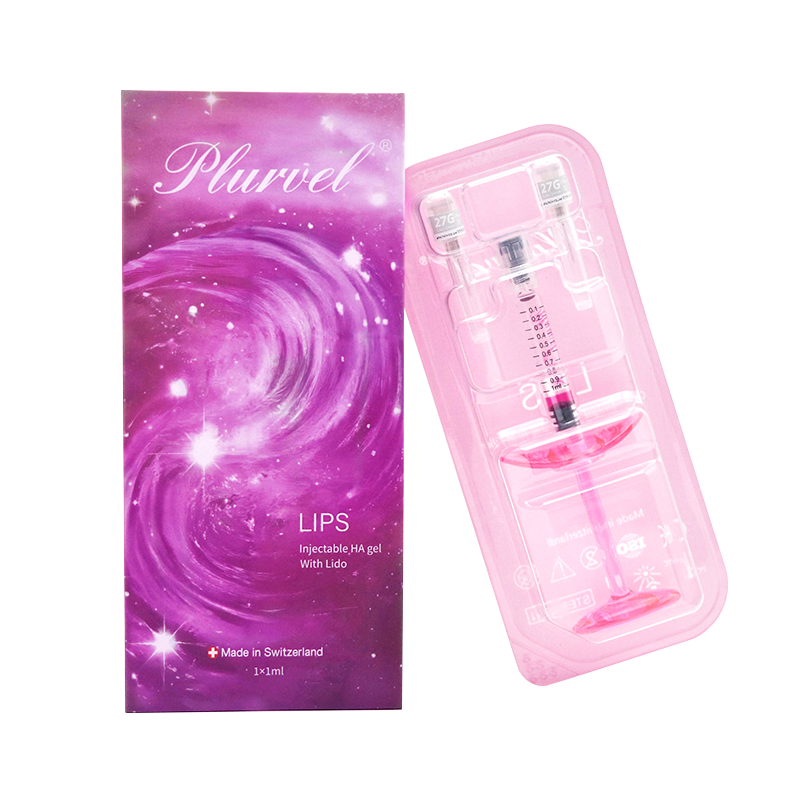
The Core Innovation: How Patented Cross-Linking Enables Precision Elasticity Control in OEM Injections
Non-linear decoupling of elasticity and viscosity in HA hydrogels
Regular hyaluronic acid hydrogels have issues with their elasticity and viscosity being connected, which means manufacturers always face trade-offs when it comes to how strong they need to be versus how easily they can be injected. A new patented method actually separates these characteristics so companies can adjust them independently. Instead of just looking at concentration levels, engineers focus on how cross-links are distributed throughout the material. This approach gives the hydrogel good strength for supporting tissues but keeps it runny enough to deliver smoothly during procedures. Tests published in the Journal of Biomaterials Science back this up, showing about 40% less force needed for injections compared to regular gels with similar strength properties. That makes it possible to use much thinner needles ranging from 27G to 30G, significantly boosting patient comfort while still maintaining all the necessary mechanical qualities.
Covalent–dynamic hybrid cross-linking: Tuning G′ without sacrificing injectability
This new approach uses what we call a dual network structure, putting together permanent covalent bonds along with those reversible dynamic ones. The covalent cross links made via BDDE or DVS chemistry give us our base level of elasticity. Meanwhile, these pH sensitive dynamic bonds actually come apart when there's shear stress during the injection process. What this means is we can adjust the G' values precisely across a range from 12 to 175 Pa, which covers all sorts of different tissue needs, yet still keeps things injectable through regular fine gauge needles. After getting injected, the dynamic network comes back together on its own within about 15 minutes once it hits normal body pH levels, bringing back the intended elastic properties. Some accelerated aging tests showed less than 5% change in G' over 24 months according to research published in Polymer Degradation and Stability last year. That kind of stability makes sure the product works consistently throughout its shelf life and performs reliably in actual clinical settings.
Engineering the Elasticity Range: Cross-Linking Parameters That Define OEM Injection Performance
Cross-linker chemistry (BDDE vs. DVS), molar ratio, and aging effects on storage modulus stability
The cross-linker selected has a major impact on both elasticity and how well materials perform over time. BDDE creates much more stable ether bonds compared to DVS, which results in about 18 to 23 percent greater G' values when concentrations are equal. What's really interesting is that BDDE shows less than 10% change in modulus after 18 months of testing. On the flip side, DVS networks tend to lose around 15 to 20% of their G' value because they break down through hydrolysis. When it comes to molar ratios, there's a sweet spot too. If BDDE goes over 5%, gels become too brittle and start fragmenting. For DVS, anything under 2% concentration means poor cohesion and weaker structures overall. These factors aren't just numbers on paper. Getting the right balance depends heavily on understanding specific chemical properties and matching them to what the material needs to do clinically for its intended lifespan and mechanical requirements.
Resolving the stiffness–integration paradox: Optimizing biodegradation kinetics for tissue compatibility
There's this tricky situation with biomaterials where they need to be stiff enough to provide support but not so rigid that they get rejected by the body. Scientists have found a clever solution using enzymes to control how fast these materials break down. When manufacturers tweak factors like reaction time and temperature, they can create implants that degrade at just the right pace, matching what happens naturally in our bodies over about six to nine months. This means the material stays strong when needed during healing but doesn't stick around long enough to cause problems. Tests show that around 92 percent of people accept these materials well, which is pretty impressive for something placed inside the body. As the material breaks down gradually, it creates small pieces under 500 kilodaltons that our immune system can clean up easily without causing irritation. This balanced approach makes these implants particularly useful for sensitive areas like the face, where we need both lifting power and complete compatibility with surrounding tissues.
Next-Generation OEM Injections: Advanced Cross-Linking Platforms and Commercial Validation
CPM-OBT hybrid platform: 42% wider elasticity range (12–175 Pa) versus legacy NASHA
The CPM-OBT hybrid platform marks an important step forward from traditional covalent-dynamic architectures. It offers a much wider G' range of 12 to 175 Pa, which is actually 42% greater than what we see in older NASHA based systems. This expanded range makes it possible to match the exact biomechanical properties needed for different parts of the body. Think about how it works equally well for those very flexible facial tissues around the mouth as it does for deeper structural support areas. What's great is that none of this comes at the expense of how easily the material can be injected or maintains its intended shape once placed. Tests across the industry have shown that these elasticity characteristics line up perfectly with what's needed for modern scaffold materials and volume fillers. Clinicians report better results overall because they can trust the material will behave predictably during procedures.
Emerging modalities: UV-triggered spatiotemporal cross-linking for intra-procedural elasticity tuning
The technique of UV responsive cross linking allows doctors to adjust how elastic something is right during the injection process. Once the material is placed where needed, medical professionals shine specific UV light on certain spots to make those areas stiffer which helps lift parts that move a lot. They can also choose not to activate other sections so they stay flexible enough for sensitive regions of the body. This kind of adjustment during procedures really tackles different body shapes and sizes without needing extra product or doing another injection altogether. That means less chance of things moving around after placement and better overall results. Being the first system actually available on market shelves that lets clinicians tweak materials properties after deployment marks a big change in how fillers work. Instead of just having static products, we now see a move toward more dynamic approaches guided by what the doctor thinks will work best for each patient's unique situation.
FAQs
What is cross-linking in hydrogels?
Cross-linking in hydrogels refers to the chemical bonds that connect polymer chains within the gel, creating a network that impacts both elasticity and viscosity.
How does UV-triggered spatiotemporal cross-linking work?
UV-triggered spatiotemporal cross-linking involves using UV light to adjust the elasticity of a material in specific locations during the injection process, allowing for customized stiffness based on the needs of different body areas.
What benefits do dual network structures provide in OEM injections?
Dual network structures offer flexibility in medical applications by combining covalent and dynamic bonds, allowing for adjustable elasticity while maintaining injectability and performance stability.
Table of Contents
- The Core Innovation: How Patented Cross-Linking Enables Precision Elasticity Control in OEM Injections
- Engineering the Elasticity Range: Cross-Linking Parameters That Define OEM Injection Performance
-
Next-Generation OEM Injections: Advanced Cross-Linking Platforms and Commercial Validation
- CPM-OBT hybrid platform: 42% wider elasticity range (12–175 Pa) versus legacy NASHA
- Emerging modalities: UV-triggered spatiotemporal cross-linking for intra-procedural elasticity tuning
- FAQs
- What is cross-linking in hydrogels?
- How does UV-triggered spatiotemporal cross-linking work?
- What benefits do dual network structures provide in OEM injections?