
 EN
EN
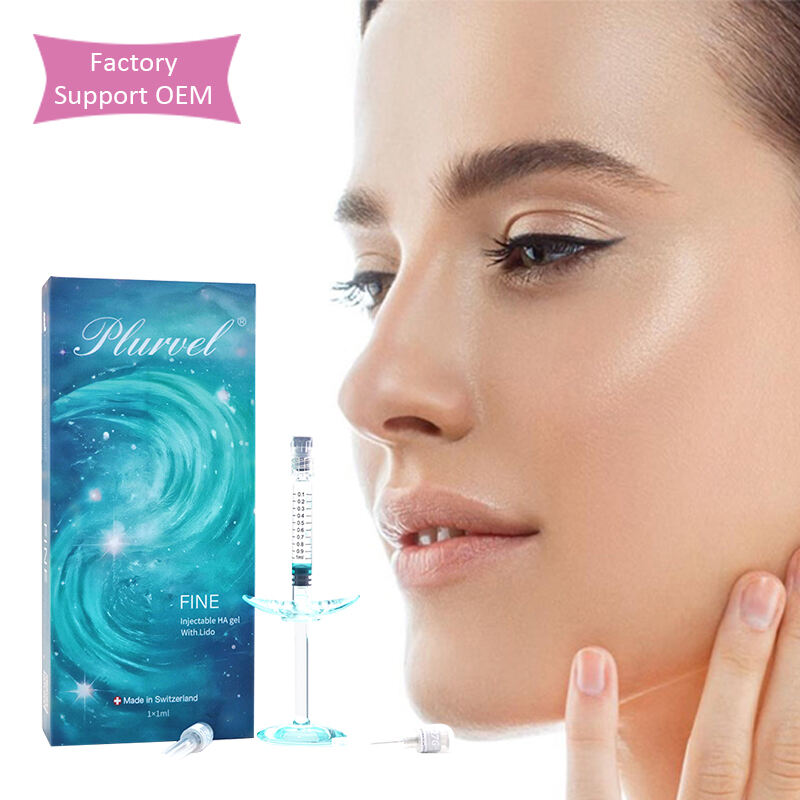
The Science Behind HA Fillers: How Hyaluronic Acid Combats Age-Related Volume Loss
Physiological Drivers of Facial Volume Loss: Fat Atrophy, Bone Resorption, and Dermal Thinning
The way our faces change over time is actually caused by three main things happening inside our bodies. First off, those fat pads just under the skin start shrinking gradually, particularly noticeable around the cheeks and temples area, which means there's less support holding everything up. At the same time, bones in the jaw and around the eyes slowly break down, weakening the whole structure beneath the skin and making tissues sag faster than they should. And then there's what happens to the skin itself. As we get older, our skin gets thinner because our body produces less collagen each year starting when we hit 20 years old. All these factors combined make the face lose its shape over time. We see hollow areas appear, once round contours become flat, and skin starts hanging loose instead of staying tight. What was once a nicely rounded young face turns into something much flatter and droopier as we age.
Water-Binding Capacity and Structural Support: Why Hyaluronic Acid Fillers Deliver Immediate, Natural-Looking Volumization
Hyaluronic acid fillers work against volume loss by mimicking natural hydration processes and creating structural support beneath the skin. What makes HA so effective is that each molecule can hold around 1000 times its own weight in water when injected into tissues. This causes an instant swelling effect that fills out sunken areas. At the same time, it kickstarts fibroblasts which help produce our body's own collagen over time. The cross linked HA molecules actually create something like a soft framework inside deeper layers of skin tissue. This gives lifting power without making things feel stiff or unnatural. Regular plumpers just sit on top of the skin, but HA works differently because it actually offers support from within the way our bodies naturally maintain skin structure. The result is fuller looking skin that still moves naturally with facial expressions instead of feeling fake or overfilled.
Lifting Sagging Features with Hyaluronic Acid Fillers: A Deep-Plane Recontouring Approach
Mechanism of Lift: Volumetric Restoration in the Deep Medial Cheek and Submalar Zones
Good lifting results depend on putting volume back where it matters most structurally speaking: those deep medial cheeks and submalar areas. Injecting correctly into these spots acts as key support points for holding up the midface area. HA fillers essentially build an internal framework inside the skin that lifts things back up by redistributing tissues biomechanically rather than just pulling from the outside. Sagging happens because fat pads shrink over time and bones underneath also start to disappear. The hyaluronic acid actually helps too since it attracts water molecules, creating extra plumpness that gives the face more lift naturally. What patients end up seeing is a reshaped face that looks natural with all the normal expressions still possible, plus better facial projection overall.
HA Fillers vs. Neuromodulators and Energy-Based Devices: Complementary Roles in Comprehensive Facial Rejuvenation
When it comes to facial aging, neuromodulators, energy based treatments, and hyaluronic acid fillers each tackle different aspects of the problem and tend to give better results when used together. Take neuromodulators like Botox for instance they work great on those lines we get from moving our faces all day, basically smoothing out wrinkles caused by muscles working overtime. But they won't bring back volume or lift sagging areas. Then there's stuff like radiofrequency and laser treatments which can definitely improve how the skin looks on the surface and boost collagen production over time. Still, these methods don't really fix deeper structural issues. That's where HA fillers shine. They provide instant volume exactly where needed, filling in those spots where the face has thinned out. According to research published in 2023 across multiple clinics, patients who got combinations of these treatments reported almost 90% more satisfaction compared to those who only had one type of treatment. So if someone wants their best face forward, most experts agree that layering approaches makes sense HA for adding shape, neuromodulators to control movement, and energy devices to improve skin quality from within.
Precision Application of Hyaluronic Acid Fillers Across Key Aging Zones
Cheeks, Temples, and Tear Troughs: Strategic Placement to Restore Harmony, Reduce Hollowing, and Minimize Asymmetry
Getting back facial balance really depends on knowing which techniques work best for different areas and picking the right products for each spot. When working on the cheeks, doctors typically go for those thicker HA gels that get placed just above the bone along the cheekbone area and deeper inside the face where fat used to be. This helps lift everything up in the middle of the face while making those lines from nose to mouth look softer. The temples need something different though. Patients often complain about their temples looking sunken, so we use more liquid HA to fill out those flat spots and bring back some width to the sides of the face. Tear troughs around the eyes are tricky business. We place tiny drops right under the eye socket to replace what's missing there. Special thin HA works best here since it blends in so well without causing that blue tint effect some people worry about. Most practitioners map out the face first to see where things aren't matching up on both sides before deciding how much to inject and where exactly. Since hyaluronic acid mixes into the skin through natural hydration processes, patients usually notice improvements slowly over several days instead of seeing dramatic changes all at once.
Safety, Reversibility, and Realistic Longevity of Hyaluronic Acid Fillers in Anti-Aging Practice
One major benefit of HA fillers is their ability to be reversed through enzymes like hyaluronidase. If something goes wrong during treatment, this property lets doctors quickly fix issues such as too much filler, problems with blood vessels, or accidental placement somewhere it shouldn't be. No other type of filler offers this kind of safety net. Plus, since these materials naturally break down in the body, they come with built-in protection against long term complications. Most patients will see results last anywhere between six to eighteen months, though this varies based on where the filler was injected, how fast the body metabolizes it, and how mobile that area of face tends to be. For instance, lips usually wear off faster than cheeks because they move so much when talking and eating. The fact that results fade predictably means doctors can fine tune treatments over time as faces change naturally with age. When looking at side effects, most people experience only temporary things like swelling or bruising after injections. These typically go away on their own or need very little treatment within about a month. Overall, studies show less than 5% of patients have any adverse reactions at all, which makes HA fillers pretty safe especially when used correctly by professionals who really understand facial anatomy.
FAQ
How do hyaluronic acid fillers work?
They mimic natural hydration processes and provide structural support beneath the skin, delivering immediate volumization.
What areas are commonly treated with HA fillers?
Cheeks, temples, and tear troughs are strategic areas for restoring facial harmony and reducing hollowing.
How long do HA filler results last?
Results typically last between six to eighteen months, depending on the area treated and the patient's metabolism.
Can HA filler treatments be reversed?
Yes, they can be reversed with the enzyme hyaluronidase if necessary.
Table of Contents
- The Science Behind HA Fillers: How Hyaluronic Acid Combats Age-Related Volume Loss
- Lifting Sagging Features with Hyaluronic Acid Fillers: A Deep-Plane Recontouring Approach
- Precision Application of Hyaluronic Acid Fillers Across Key Aging Zones
- Safety, Reversibility, and Realistic Longevity of Hyaluronic Acid Fillers in Anti-Aging Practice
- FAQ