
 EN
EN
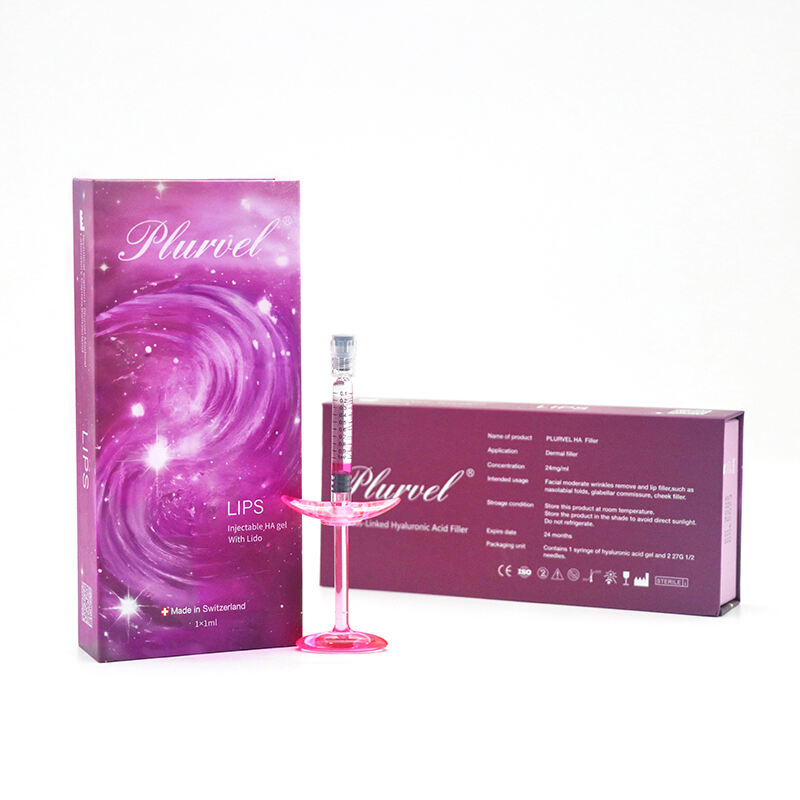
Anatomy-First Injection Planning for Safe HA Filler Placement
The SOOF Plane as the Optimal Layer for Hyaluronic Acid Filler Delivery
Getting the placement right in the sub-orbicularis oculi fat (SOOF) area really helps cut down on blood vessel risks while still giving that natural volume effect patients want. The deeper supraperiosteal layer acts as good support for HA fillers, which means there's about a 72% lower chance of filler moving around compared to when injected just under the skin, according to research published in Aesthetic Surgery Journal back in 2022. When we target this specific SOOF region, the filler spreads out evenly behind what's called the orbital retaining ligament. Basically, we're working with how the face is built to hide the filler better and avoid those ugly bumps that can form. Using cannulas here lets us spread the product across different tissue layers instead of ending up with big clumps in one spot.
Avoiding Complications: Why Superficial Injection Triggers Tyndall Effect and Vascular Risk
When hyaluronic acid fillers are injected too shallow in the skin, they actually raise the chance of seeing the Tyndall effect by around two thirds and increase risks for blood vessel problems nearly three times over according to recent studies from Dermatologic Surgery (2023). Putting the filler deeper in the dermis layer tends to create that telltale blue gray tint because the light gets scattered through the dense product concentration. And if someone accidentally injects right into an artery during treatment, it could potentially cause serious vision issues. Around the eyes specifically, there's a network of interconnected arteries that makes this area particularly dangerous. Using blunt tip cannulas instead helps prevent puncturing these vessels since they can be guided alongside rather than against them. Most practitioners stick with small amounts, typically no more than 0.1 milliliters at a time, which goes a long way toward avoiding unwanted side effects altogether.
Selecting the Right Hyaluronic Acid Filler: Cohesivity, Hydrophilicity, and FDA Validation
Why Low-Swelling, Soft-Cohesive HA Fillers (e.g., Restylane Eyelight, Juvederm Volbella) Are Clinically Preferred
The sensitive area around the eyes requires hyaluronic acid fillers that won't mess with the delicate tissues underneath. Fillers that are soft and cohesive work best here because they have a lower elastic modulus (G'). These types actually blend into the tear trough area better than the stiffer gels do. According to research published in Aesthetic Surgery Journal back in 2023, they cut down on swelling risks by about 34%. What makes them special is their almost liquid consistency which stops those annoying bumps from forming while still letting the product spread naturally. This matters a lot in thin skin regions where too much correction can lead to that blueish Tyndall effect everyone wants to avoid. Top brands get this right by carefully controlling how their products link together chemically, finding just the right mix between lasting results and being safe for the body.
The FDA puts special focus on validating these types of products, especially when it comes to proving they're safe around the delicate eye area. Products that get approved typically have certain characteristics that make them safer choices. They tend to swell less because their water attracting properties are controlled just right. The particles are also pretty uniform in size, which means they integrate predictably into the skin. Plus, they work well with enzymes like hyaluronidase if needed later. This is very different from those fillers used off label for facial treatments, where the thick consistency can lead to swelling that lasts too long and sometimes causes problems with blood vessels. When treating the area under the eyes specifically, getting the texture and consistency right matters more than how much product is injected. That's why most experts recommend using soft, cohesive hyaluronic acid fillers based on what we know works best through research and experience.
Cannula-First Technique: Maximizing Safety and Precision in Hyaluronic Acid Filler Administration
Blunt Cannula Benefits: Reduced Bruising, Vascular Sparing, and Controlled Sub-SOOF Deposition
Blunt tip cannulas help reduce blood vessel damage and bruising when administering hyaluronic acid fillers because they push aside rather than puncture vessels. The flexibility of these tools allows for better control when placing filler in what's known as the sub-SOOF plane, which happens to be the best spot for rejuvenating the under eye area. This approach ensures the product spreads evenly without sitting too shallow where it might cause that blueish Tyndall effect. Studies from Aesthetic Surgery Journal back this up, showing around 68% less trauma compared to traditional needle techniques. When doctors navigate carefully beneath the skin, they prevent those annoying hematomas from forming. Most practitioners prefer the single entry multiple point method for adding volume naturally, since it cuts down on complications that come with working around such sensitive eye area tissues.
When to Use Needles: Targeted Micro-Adjustments with 30G+ Needles in Experienced Hands
Cannulas tend to be the go to option for initial placements, but there's definitely a place for those ultra fine needles (anything 30G and above) when handled by someone really skilled. These tiny needles let practitioners make those pinpoint adjustments needed to fix small asymmetries or tweak tear trough areas once the main work has been done with cannulas. What makes this technique tricky? The practitioner needs solid understanding of facial anatomy, especially around those angular arteries, just to avoid any vascular complications. There are some hard rules too. All injections must stay within the dermis layer, each pass should only involve less than 0.01 mL volume, and having quick access to hyaluronidase is non negotiable. Working with needles isn't for beginners either. It takes real skill to master the backward threading technique and constantly check for blockages through aspiration during the procedure.
Proactive Risk Management for Hyaluronic Acid Filler Treatments
Conservative Dosing (0.5 mL Bilaterally) and Immediate Hyaluronidase Access to Prevent Overcorrection and Tyndall Effect
Keeping HA filler amounts below 0.5 mL total in both eyes cuts down overcorrection problems by around 62% when compared to larger injections according to research from Aesthetic Surgery Journal last year. Going light helps avoid that annoying blue tint some patients get from fillers placed too shallow, plus it lowers chances of blood vessel issues. Any doctor doing these treatments should have hyaluronidase on hand right there during the procedure. This stuff can break down unwanted filler really fast if something goes wrong, so practitioners aren't stuck with bad results. When we talk about safe under eye work, sticking to smaller doses while being ready to fix mistakes quickly is basically table stakes nowadays.
Debunking Myths: The Lack of Evidence Supporting 'No Touch' Massage for Hyaluronic Acid Filler Stabilization
There's actually no solid scientific backing for those "no touch" massage rules when it comes to HA fillers. The idea that not touching the area stops filler from moving around just hasn't been proven in real world settings. Most experts still suggest gentle massage after injections to spread out the product properly and minimize bumps. According to some recent findings published in Plastic and Reconstructive Surgery last year, people who had their fillers massaged carefully within the first day or so saw about a 40% drop in uneven results without any extra movement of the filler material. When looking at what works best, most practitioners focus on fixing specific issues rather than following untested no-touch guidelines that haven't stood up to proper testing.
FAQ
What is the SOOF area in filler treatment?
The SOOF area refers to the sub-orbicularis oculi fat region, which is an optimal site for hyaluronic acid filler placement to minimize vascular risks and properly distribute volume.
Why is the Tyndall effect a concern in shallow filler injections?
The Tyndall effect occurs when light scatters through concentrated filler placed too superficially, causing a bluish tint on the skin. This can also increase vascular risks, making deeper injections preferable.
Why are blunt-tip cannulas recommended over needles?
Blunt-tip cannulas reduce the risk of puncturing blood vessels, decrease bruising, and allow for a more controlled distribution of fillers.
What type of hyaluronic acid fillers are best for sensitive areas like under the eyes?
Low-swelling, soft-cohesive hyaluronic acid fillers are ideal for sensitive areas, as they minimize swelling risks and blend naturally into delicate tissue.
How does massage impact HA filler stability?
Gentle massage after injection can help evenly distribute filler and reduce the formation of bumps, contrary to the unproven "no touch" approach.
Table of Contents
- Anatomy-First Injection Planning for Safe HA Filler Placement
- Selecting the Right Hyaluronic Acid Filler: Cohesivity, Hydrophilicity, and FDA Validation
- Cannula-First Technique: Maximizing Safety and Precision in Hyaluronic Acid Filler Administration
- Proactive Risk Management for Hyaluronic Acid Filler Treatments
- FAQ