
 EN
EN
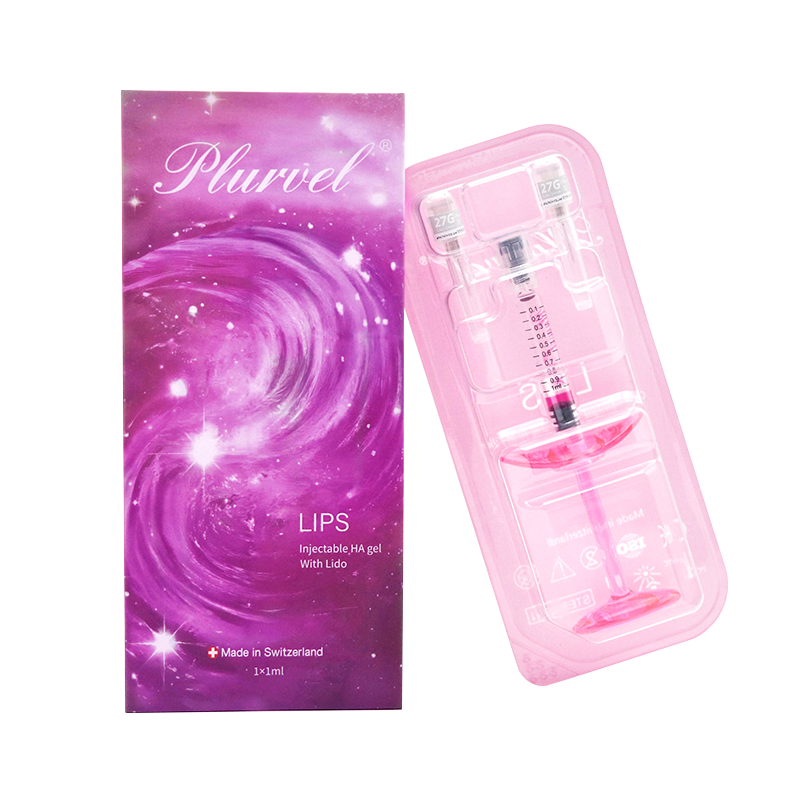
Sterilization Strategy Selection for OEM Hyaluronic Acid Injection
Gamma irradiation vs. ethylene oxide: impact on HA molecular weight and viscoelasticity
When looking at sterilization options for hyaluronic acid injections used by original equipment manufacturers, there are clear differences between gamma irradiation and ethylene oxide (EtO) methods. Gamma radiation works well because it can get through sealed containers without leaving anything behind. However, when using the standard dose of around 25 kilograys, this process actually cuts down on the molecular weight of HA by about 15 to 20 percent. That matters quite a bit since the viscoelastic properties needed for proper joint lubrication start to suffer. On the other hand, ethylene oxide operates at much cooler temperatures, typically between 30 and 60 degrees Celsius, which helps maintain the natural structure of hyaluronic acid. The downside? It needs plenty of time for air out those toxic leftovers, anywhere from 12 up to 72 long hours. Most companies go with gamma radiation for their final sterilization step in pre-filled syringes as long as they validate it at or below 20 kGy. But if dealing with heat sensitive materials in secondary packaging where managing those residuals isn't too difficult, ethylene oxide still makes sense for many applications.
Why steam sterilization is rarely used—and when e-beam offers superior control for heat-sensitive HA formulations
The high temps used in steam sterilization, typically between 121 and 134 degrees Celsius, actually break down hyaluronic acid polymers irreversibly. That makes it pretty much useless for most injectable HA products on the market today. Enter electron beam or e-beam tech as a better option. This method offers precise control with around 5% accuracy margin, completes processing in less than a minute, all while keeping things at room temperature. What really stands out about e-beam is how it modulates energy through linear accelerators, which means no heat damage occurs during treatment. This preserves those important properties like shear-thinning behavior and maintains the molecular structure of the HA material. When looking at sterility assurance levels, e-beam hits an impressive SAL of 10 to the minus six power for freeze-dried powders and dilute solutions. In practice, this performance beats both traditional steam methods and ethylene oxide sterilization when dealing with sensitive HA biological materials.
Cleanroom Engineering and Environmental Control for OEM Hyaluronic Acid Injection
ISO Class 7 vs. Class 8 cleanrooms: air change rates, particle limits, and real-world monitoring data from FDA-registered HA facilities
For making OEM hyaluronic acid injections, most experts recommend using ISO Class 7 cleanrooms because they offer much better control over contaminants. These spaces need between 60 to 90 air changes every hour and can have no more than about 352,000 particles larger than 0.5 microns per cubic meter. That's actually ten times cleaner than what's allowed in ISO Class 8 rooms, which only manage around 10 to 25 air changes and tolerate up to 3.5 million such particles. Looking at real world data from FDA audits of certified HA production sites tells us something interesting. Facilities operating under ISO Class 7 standards see roughly half as many contamination problems compared to those in lower class environments. Plus, these higher standard facilities maintain compliance rates around 92%, whereas Class 8 setups struggle to reach even 78%. The reason? Cleaner air gets rid of particles faster and uses better quality filters overall.
| Parameter | ISO Class 7 | ISO Class 8 |
|---|---|---|
| Air Changes (ACH) | 60–90 per hour | 10–25 per hour |
| Particle Limit (≥0.5µm/m³) | ≤ 352,000 | ≤ 3,520,000 |
| FDA Compliance Rate | 92% | 78% |
Sterility assurance through environmental monitoring: particle counters, settle plates, and active air samplers in HA production zones
Using a three part monitoring approach that includes continuous particle counters, four hour settle plates, and active air samplers gives better protection against contamination in high risk areas where hazardous drugs are being filled. The particle counters work constantly to spot floating particles as they appear. Settle plates help measure how many microbes actually land on surfaces over time periods that matter clinically. Active samplers pull in air samples so labs can grow out any living organisms present. Facilities that go this route see about two thirds fewer problems with microbial contamination when they validate their processes. Regular checks and adjustments keep everything working properly according to standards set forth in USP Chapter 797 regarding sensitivity levels.
Aseptic Processing Technologies Optimized for OEM Hyaluronic Acid Injection
Blow-fill-seal (BFS) technology: minimizing human intervention and shear stress to preserve HA rheological integrity
In hyaluronic acid manufacturing, blow-fill-seal (BFS) automation tackles one of the biggest problems head on human contact during production. When containers are formed, filled, and sealed all inside a sterile environment, this approach cuts down about 70 percent of the contamination issues that plague traditional aseptic lines. What makes BFS really stand out is how it handles mechanical stress. The system keeps shear rates under 1000 per second, way below the over 5000 per second seen in regular filling processes. This matters because it helps maintain the important viscoelastic properties of HA and preserves its molecular weight distribution throughout processing. From an industry standpoint, these closed systems deliver sterility assurance levels at 10^-6 and slash particulate contamination by nearly 90% when compared to older manual or semi-automated techniques. These improvements translate directly into better clinical outcomes for original equipment manufacturer hyaluronic acid injections.
Quality Control and Process Validation Tailored to OEM Hyaluronic Acid Injection
Bioburden mapping, sterility testing (USP <71>), and filtration validation (Brevundimonas diminuta challenge) for HA solutions
Quality control starts with something called bioburden mapping which helps find those pesky microbial hotspots during the formulation process, when materials are held, and during actual filling operations. This lets us spot problems early so we can take action before getting to those really critical sterility stages where mistakes would be disastrous. When it comes to sterility testing, we follow USP chapter 71 guidelines. We typically use either membrane filtration or direct inoculation techniques, but first we need to make sure these work properly with hyaluronic acid (HA) since its thick consistency might interfere with standard tests. For terminal filtration checks, most labs run what's known as Brevundimonas diminuta challenge studies. This little bug at 0.3 microns is basically the gold standard for testing filters. If our system can trap over ten million colony forming units per square centimeter, then we know our filters are doing their job against both endotoxins and microbes. The whole validation process runs through three full scale production batches. We track everything from how long materials sit between steps to pressure differences during filtration and even check the molecular weight of HA after passing through filters. Facilities that go through this comprehensive approach with FDA oversight tend to slash particulate contamination down to just 0.3% remaining, all while keeping HA's important flow properties intact for medical applications.
FAQ
What sterilization methods are compared for hyaluronic acid injections?
The article compares gamma irradiation, ethylene oxide (EtO), steam sterilization, and electron beam (e-beam) technology.
Why is gamma irradiation preferred for sterilizing hyaluronic acid?
Gamma irradiation is preferred because it penetrates sealed containers effectively, although it can reduce the molecular weight of hyaluronic acid.
How does e-beam technology benefit hyaluronic acid sterilization?
E-beam technology provides precise control, operates at room temperature, and does not cause heat damage, preserving hyaluronic acid's essential properties.
What are the advantages of ISO Class 7 cleanrooms for HA production?
ISO Class 7 cleanrooms have stricter contamination control with more air changes per hour and lower particle limits compared to ISO Class 8 cleanrooms.
How does blow-fill-seal technology improve HA injection production?
Blow-fill-seal technology minimizes human contact, reduces shear stress, and maintains HA's rheological integrity, resulting in better clinical outcomes.
Table of Contents
- Sterilization Strategy Selection for OEM Hyaluronic Acid Injection
- Cleanroom Engineering and Environmental Control for OEM Hyaluronic Acid Injection
- Aseptic Processing Technologies Optimized for OEM Hyaluronic Acid Injection
- Quality Control and Process Validation Tailored to OEM Hyaluronic Acid Injection
-
FAQ
- What sterilization methods are compared for hyaluronic acid injections?
- Why is gamma irradiation preferred for sterilizing hyaluronic acid?
- How does e-beam technology benefit hyaluronic acid sterilization?
- What are the advantages of ISO Class 7 cleanrooms for HA production?
- How does blow-fill-seal technology improve HA injection production?