
 EN
EN
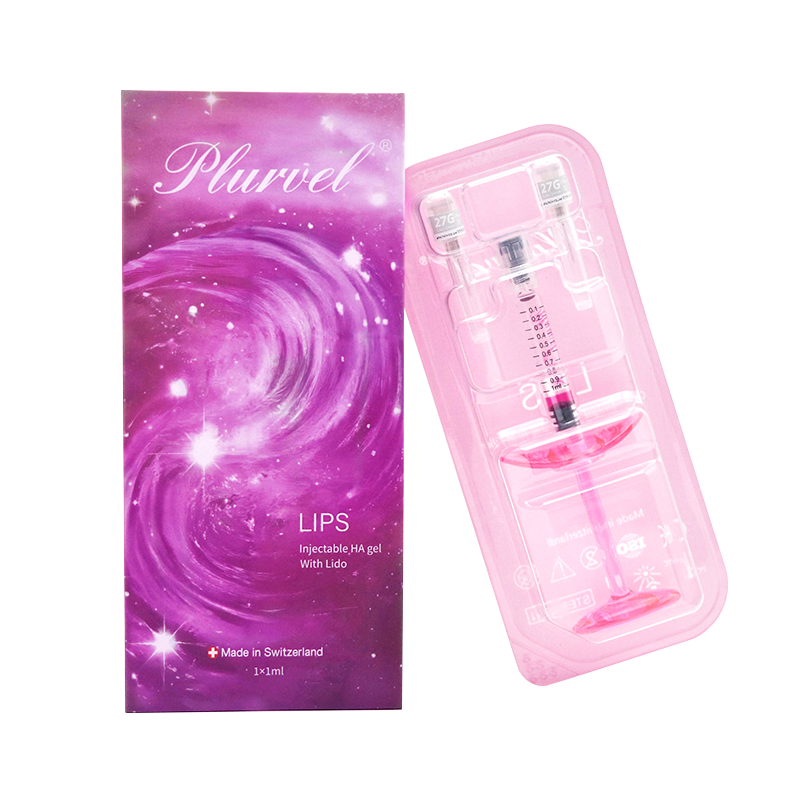
Regulatory & Biocompatibility Foundations for OEM Hyaluronic Acid Injection
FDA and ISO 10993 Compliance for Direct-Contact HA Packaging Materials
For OEMs producing hyaluronic acid injection packaging, compliance with FDA guidelines and ISO 10993 standards simply cannot be ignored. The rules require thorough biocompatibility testing of every material that comes into contact with HA products. This includes checking for cytotoxic effects, potential skin sensitization reactions, and possible irritation responses. These tests are critical because even trace amounts of leachable substances can seriously compromise patient safety. When companies fail to meet these requirements, they face expensive product recalls. Recent data shows medical device recalls increased by nearly 18% compared to last year according to the Regulatory Affairs Professionals Society. To confirm material stability, manufacturers run validation tests following USP standards 87 and 88, particularly when dealing with temperature fluctuations during transport and storage. Prefilled syringes as primary containers demand special attention through extractables studies conducted under realistic storage scenarios. Maintaining detailed records that prove materials won't react chemically with the contents remains absolutely necessary throughout the regulatory approval process and during facility inspections.
Material Science of Biocompatible Delivery Systems: COC, Glass, and USP Class VI Polymers
Cyclic olefin copolymer, or COC for short, is quickly taking over as the go-to material for HA packaging these days because it blocks moisture so effectively compared to regular plastics. Standard plastics let through around 0.5 grams per square meter per day while COC stops moisture at just 0.03 grams. Plus, it stays clear and works well with gamma irradiation too. Borosilicate glass was once considered the best option for high-end products needing complete chemical stability. But recent breakthroughs in polymer tech mean that COC along with USP Class VI certified materials can now compete with glass on purity in many medical settings. Getting USP Class VI certification means going through rigorous testing for biological reactions. This includes those tough 72 degree Celsius implant tests that show how likely something is to cause problems in the body like toxicity or allergic reactions. When picking materials for packaging, manufacturers need to weigh several important factors related to function and safety.
- Clarity, enabling visual particulate inspection per USP <788>;
- Break resistance, essential for autoinjector integration and field handling;
- Sterilization compatibility, particularly with gamma irradiation (25-40 kGy) or ethylene oxide.
Leading manufacturers pair COC barrels with bromobutyl elastomer plungers for optimal seal integrity and lubricity. Hybrid glass-polymer systems—introduced in 2023—retain glass-level biocompatibility while reducing breakage risk by 40% (Journal of Pharmaceutical Sciences).
Multi-Purpose Packaging Design for OEM Hyaluronic Acid Injection
Precision Injection Molding: Tight-Tolerance Syringes, Cartridges, and Dual-Chamber Systems
Pharmaceutical companies now rely on advanced injection molding techniques to create extremely accurate parts for medical devices. Think syringes with tolerances down to 0.01mm or dual chamber systems that keep hyaluronic acid solutions stable when stored and mixed later. These specially designed products tackle common problems faced by manufacturers every day. They stop leaks from happening, ensure consistent dosing amounts, and reduce those pesky silicone particles that can form during processing. Features like clear COC barrels similar to glass, tiny molded connections at the end of syringes, and special channels built right into the design help automate mixing processes. Industry research shows these improvements make a real difference in the market worth over 5 billion dollars. Tests indicate there's nearly a complete elimination (about 99.8%) of contaminating particles compared to older methods. Plus, this manufacturing approach works well for large scale production runs and complies with important international standards for both cartridges and overall syringe quality requirements.
Material Versatility in HA Packaging: Medical-Grade Elastomers, Bioplastics, and Barrier-Enhanced Resins
The pharmaceutical industry is increasingly turning to advances in material science to get that tricky balance right between biocompatibility, how well things work, and being environmentally friendly when it comes to HA packaging. Medical grade thermoplastic elastomers or TPEs have become popular because they create seals that needles can go through without bringing along latex allergens or those pesky extractables that cause problems. Some new types of bioplastics like blends of PLA and PHA are making waves too. According to recent studies from 2024 looking at their entire lifecycle, these materials cut down on carbon emissions by around 74% compared to old school plastics. What really matters though is something called barrier enhanced resins with nano coatings on them. These amazing materials let almost no oxygen through – we're talking under 0.005 cc per package per day – which means HA products stay good for much longer, sometimes as much as 18 extra months on the shelf. With all these different material options available now, companies can customize their packaging solutions specifically for each type of treatment they need to handle.
| Material Class | Key Properties | HA Application Fit |
|---|---|---|
| USP Class VI Polymers | Zero leachables, autoclave stability | Prefilled syringes |
| Cyclic Olefin Copolymers | Moisture barrier <0.1 g/m²/day | Lyophilized HA vials |
| Bio-based Elastomers | Shore A 30-50 hardness, recyclability | Autoinjector components |
Scalable OEM Production: Integrating Functional Branding with High-Volume HA Injection Manufacturing
End-to-End OEM Partnerships: From HA Formulation Support to Custom Packaging Integration
Pharmaceutical companies working with specialized OEM partners can expand their hyaluronic acid injection production while incorporating brand elements directly into the delivery systems themselves. The partnership typically starts with help on formulations, getting the right viscosity levels, making sure the pH stays stable, and maintaining sterility throughout. From there it moves into actually manufacturing custom syringes, cartridges, or those special dual chamber devices that some products need. When it comes to high volume production, injection molding at rates over 10,000 units per hour is possible using medical grade COC material. This process achieves very tight tolerances around 0.05mm or better, which means each dose remains consistent and effective clinically. These OEM partners also work on adding brand specific touches like matching colors for elastomer parts, putting in laser etched markings that meet regulations, and designing actuators that feel good in patients' hands. All these features maintain the brand's presence without affecting how well the product works. What makes this whole approach valuable is that it creates smooth transitions between testing phases and actual market release. Companies report cutting down their time to market by about 30 percent when they avoid dealing with multiple disconnected suppliers.
Sustainable Innovation in OEM Hyaluronic Acid Injection Packaging
Circular Design Strategies: Recyclable Components, Reduced Material Footprint, and Lifecycle Optimization
Forward-thinking OEM partners embed circular design principles into HA packaging to minimize environmental impact without sacrificing clinical performance. Three interlocking strategies drive sustainable innovation:
- Recyclable components, including medical-grade polypropylene (PP) and COC, support closed-loop material recovery while maintaining barrier integrity against HA degradation;
- Reduced material footprints, achieved via ultra-thin wall molding, cut polymer usage by 30% without compromising mechanical strength per ISO 11608;
- Lifecycle optimization, integrating design-for-recycling principles with carbon-neutral manufacturing and smart labeling to eliminate secondary packaging.
These strategies align with the FDA’s 2025 Medical Device Sustainability Framework—demonstrating how environmental responsibility enhances cost efficiency, regulatory readiness, and long-term scalability in high-volume OEM hyaluronic acid injection production.
FAQs
What is the importance of FDA and ISO 10993 compliance?
Compliance with FDA and ISO 10993 standards ensures that materials used in packaging for hyaluronic acid injections are safe and free from harmful effects like cytotoxicity, skin irritation, and sensitization.
Why are COC materials preferred for HA packaging?
Cyclic olefin copolymer (COC) materials are preferred because they provide excellent moisture barriers, maintain clarity, and offer sterilization compatibility without negative impact on the hyaluronic acid product.
What role do OEM partnerships play in HA injection manufacturing?
OEM partnerships help in scaling production, integrating brand elements, formulating stable HA solutions, and ensuring high-volume production efficiency with custom packaging solutions tailored to the product’s requirements.
How do circular design strategies benefit HA packaging?
Circular design strategies focus on minimizing environmental impact through the use of recyclable components, reduced material use, and lifecycle optimization which supports sustainability and aligns with regulatory frameworks.
Table of Contents
- Regulatory & Biocompatibility Foundations for OEM Hyaluronic Acid Injection
- Multi-Purpose Packaging Design for OEM Hyaluronic Acid Injection
- Scalable OEM Production: Integrating Functional Branding with High-Volume HA Injection Manufacturing
- Sustainable Innovation in OEM Hyaluronic Acid Injection Packaging
- FAQs