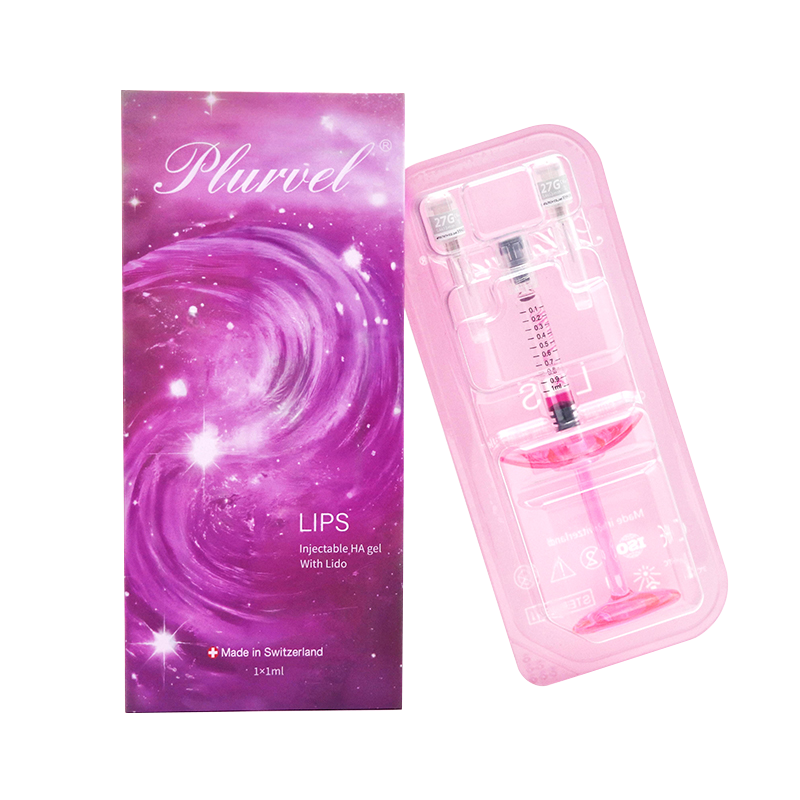
The Core Innovation: How Patented Cross-Linking Enables Precision Elasticity Control in OEM Injections Non-linear decoupling of elasticity and viscosity in HA hydrogels Regular hyaluronic acid hydrogels have issues with their elasticity and viscosit...
VIEW MORE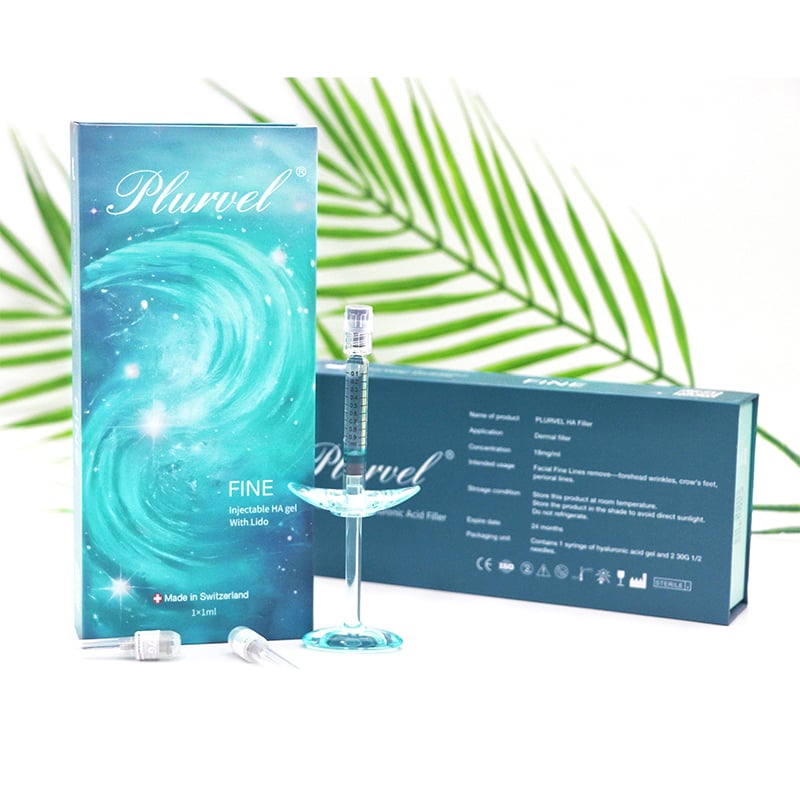
Why OEM Hyaluronic Acid Injection Delivers Superior Anti-Aging OutcomesPrecision Control of Molecular Weight and Cross-Linking for Optimal Dermal IntegrationThe OEM manufacturing process allows for really fine control over both the molecular weight a...
VIEW MORE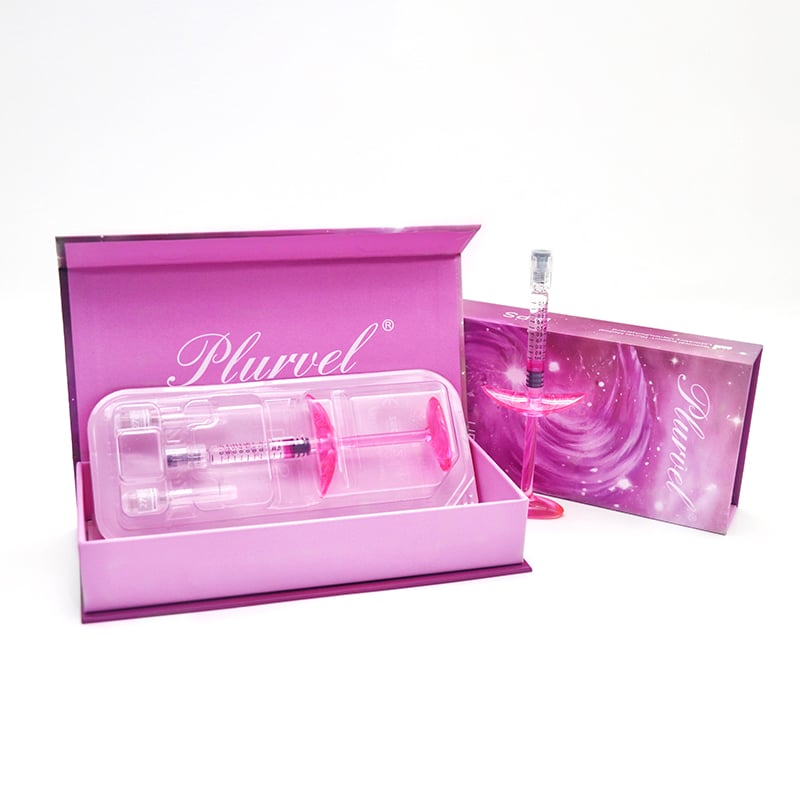
Why Hyaluronic Acid Supplier Reliability Directly Impacts Clinical Safety and Regulatory ApprovalChoosing the right supplier for hyaluronic acid goes way beyond just buying supplies. It actually protects patients and keeps things compliant with regul...
VIEW MORE
Why Regulatory Compliance and GMP Partnership Define a Trusted Hyaluronic Acid Supplier USP/EP compliance, endotoxin control (...
VIEW MORE
HA Molecular Weight Fundamentals: From Synthesis to Skin Interaction How Hyaluronic Acid Supplier Selection Influences MW Consistency and Purity The choice of hyaluronic acid supplier really affects how consistent the molecular weight distribution is...
VIEW MORE
What 'Medical-Grade' Really Means for Hyaluronic Acid Suppliers Clarifying regulatory tiers: FDA 510(k)/EU MDR Class III vs. cosmetic-grade HA For hyaluronic acid used in injections, manufacturers need FDA 510(k) approval or EU MDR Class III certifi...
VIEW MORE
Regulatory and Quality Benchmarks for Injectable-Grade Sodium HyaluronateEndotoxin Limits and Sterility Assurance Level (SAL) Compliance For injectable grade sodium hyaluronate products, endotoxin levels need to stay well below 0.5 IU per mL accordi...
VIEW MORE
What OEM Hyaluronic Acid Injection Really Requires for Bulk Supply Defining True OEM Capability: Beyond Labeling to End-to-End Process Ownership When talking about genuine OEM manufacturing for hyaluronic acid injections, what really matters is havi...
VIEW MORE
Regulatory & Biocompatibility Foundations for OEM Hyaluronic Acid InjectionFDA and ISO 10993 Compliance for Direct-Contact HA Packaging MaterialsFor OEMs producing hyaluronic acid injection packaging, compliance with FDA guidelines and ISO 10993 stan...
VIEW MORE
Why HA Concentration Is the Strategic Lever in OEM Hyaluronic Acid Injection Development Concentration as a Differentiator: Efficacy, Safety, and Brand Identity in Competitive Markets The concentration level of hyaluronic acid really matters when it...
VIEW MORE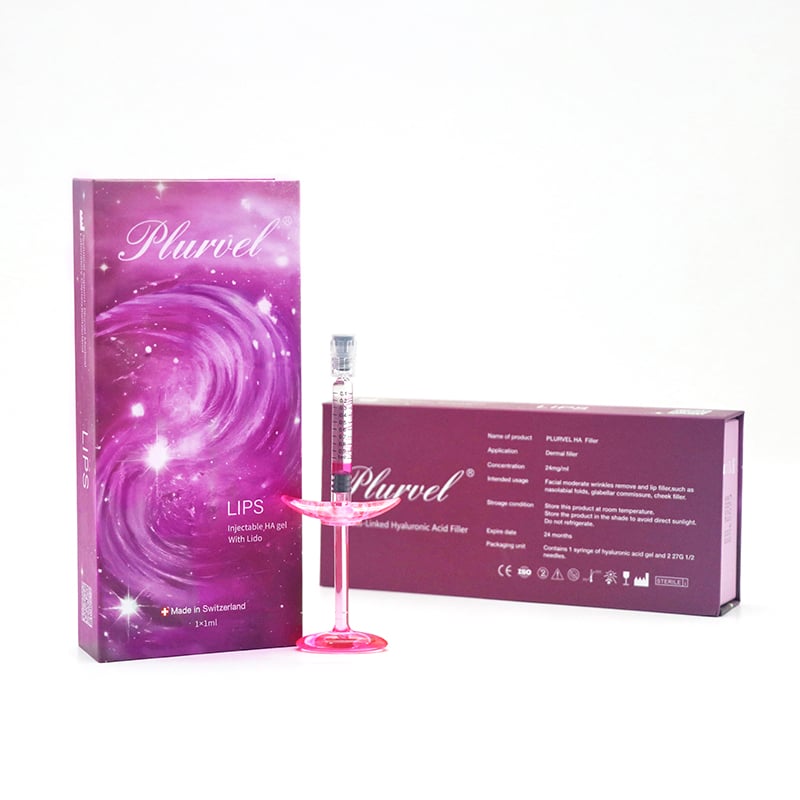
Why OEM Hyaluronic Acid Injection Is Driving Growth in Non-Facial Body Contouring Rising Demand for Customizable, Region-Specific HA Fillers Beyond the Face More and more people are looking at body contouring options for spots like the chest area, h...
VIEW MORE
Why Private Label Dermal Fillers Enable Rapid Market Entry Accelerated time-to-market: Launch in weeks—not years—versus in-house development Private label dermal fillers skip the usual 2 to 3 year development process because they work wi...
VIEW MORE
 EN